
AI Audiobook Creator: Your 2026 Guide to Production
Unlock the secrets to creating high-quality audiobooks in 2026, blending AI narration with traditional methods. Learn about tools, platforms, and best practices for indie authors.
Choosing Your Path: AI vs. Human Narrator vs. Hybrid
Deciding on your narration method is the first critical step. Each approach has its merits and ideal use cases:
1. Fully AI Narration
Pros: Unbeatable cost-effectiveness, rapid production, full control over revisions. Ideal for authors with multiple titles, non-fiction, or genres where emotional range is less critical, such as certain sci-fi subgenres or self-help books. Perfect for testing the audiobook market without significant upfront investment.
Cons: Potential for less nuanced emotional delivery, occasional mispronunciations (though AI is improving rapidly), and a less 'human' connection for some listeners. Requires careful post-production editing to ensure quality.
2. Traditional Human Narration
Pros: Superior emotional depth, consistent character voices, professional delivery, and a human touch that listeners often connect with deeply. A skilled narrator can elevate your story. Essential for genres like dark romance or literary fiction where vocal performance is key.
Cons: Significantly higher cost (often thousands of dollars), longer production timelines (weeks to months), and less flexibility for revisions once recording is complete. Finding the right narrator can also be a lengthy process.
3. Hybrid Approach (AI-Assisted Human or Human-Edited AI)
Pros: This emerging method offers a compelling middle ground. It could involve using AI for initial drafts or background narration, with a human narrator recording key dialogue or emotionally charged scenes. Alternatively, a human editor can extensively refine an AI-generated audiobook, correcting pacing, intonation, and adding human-like touches. This balances cost and quality, offering a personalized touch without the full expense of a human narrator.
Cons: Still requires some human talent and associated costs, and the workflow can be more complex to manage than a purely AI or purely human process.
Top AI Audiobook Creator Platforms and Tools (2026 Edition)
The market for AI narration tools is booming, with new platforms emerging and existing ones evolving at a rapid pace. Here are some of the leading contenders in 2026 that empower authors to become an 'AI audiobook creator' themselves:
1. Dear Pantser Voice Studio (Upcoming)
As a platform dedicated to indie authors, Dear Pantser is developing its own integrated AI Voice Studio. This will allow authors to upload their manuscripts and generate high-quality AI narration directly within their publishing workflow. Features will include customizable voice profiles, emotional tagging, and seamless integration with audiobook distribution. Stay tuned for more details on this exciting development!
2. Google Cloud Text-to-Speech (WaveNet & Studio Voices)
Google remains a powerhouse in TTS technology. Their WaveNet and Studio Voices offer some of the most natural-sounding AI voices available. While primarily an API for developers, user-friendly interfaces built on top of Google's engine are becoming more common. Expect excellent pronunciation and a wide range of voice options.
3. Amazon Polly
Amazon's TTS service, Polly, is widely used for its scalability and diverse voice portfolio. It offers neural text-to-speech (NTTS) voices that are highly expressive and lifelike. Polly is often integrated into other audiobook production software, offering a robust backend for AI narration.
4. Speechify Studio
Speechify has evolved into a comprehensive AI voice studio, offering an intuitive interface for authors. It provides various premium voices, allows for custom pronunciations, and supports multiple languages. Their focus on ease of use makes it a strong contender for indie authors looking for a standalone solution.
5. Descript (AI Voices & Editing)
While primarily an audio/video editing tool, Descript's AI capabilities, including its Overdub feature, can be incredibly useful. You can type text and have it spoken in a synthesized voice, or even 'clone' your own voice. Its advanced editing features make it suitable for refining AI-generated narration or even creating a hybrid audiobook.
6. Murf.ai
Murf.ai offers a robust AI voice generator with a wide selection of voices, including emotional tones and different accents. It's designed for professional use, allowing for fine-tuning of pitch, speed, and emphasis. This platform provides a high degree of control for authors who want to meticulously craft their audiobook's sound.
The Production Workflow: From Manuscript to Mastered Audio
Regardless of whether you use an AI audiobook creator or a human narrator, the core production workflow remains similar. Adhering to industry standards is crucial for distribution.
1. Manuscript Preparation
Ensure your manuscript is impeccably edited and formatted. Narration software (both human and AI) will struggle with errors, leading to costly corrections. Clean up any extraneous formatting, ensure consistent spellings, and add stage directions for the narrator if using a human (e.g., [whispering], [loudly]). For AI, pay close attention to punctuation, as it dictates pauses and intonation.
2. Narration (AI Generation or Human Recording)
For AI: Upload your manuscript to your chosen AI audiobook creator platform. Select your desired voice(s), adjust parameters like speed, pitch, and emotional emphasis. Generate the audio files in segments (e.g., chapter by chapter). Listen carefully to each segment for mispronunciations, awkward phrasing, or robotic delivery. Most platforms allow you to make corrections by editing the text or inserting phonetic spellings.
For Human: If hiring a human narrator, provide them with your final manuscript, character notes, and any specific pronunciation guides. They will record the raw audio. It's common practice to have check-ins during the recording process (e.g., after the first hour) to ensure the narrator's voice and interpretation align with your vision.
3. Editing and Proofing
This is a critical stage. Every second of your audiobook needs to be checked. For AI-generated audio, you'll be listening for errors in pronunciation, pacing, and overall flow. For human narration, you'll be checking for missed words, extraneous noises (mouth clicks, breaths), inconsistent volume, and performance errors. An audio prooflistener (often a separate person from the editor) can catch things you might miss. ACX (Audiobook Creation Exchange) recommends a dedicated prooflistening pass.
4. Mastering
Mastering involves applying audio processing techniques to ensure your audiobook meets industry standards for volume, clarity, and overall sound quality. This typically includes:
- Noise Reduction: Eliminating background hums or static.
- Normalization: Adjusting the overall volume to a consistent level. ACX requires a peak loudness between -3dB and -18dB RMS.
- Compression: Reducing the dynamic range to make quiet parts louder and loud parts softer, ensuring a more consistent listening experience.
- EQ (Equalization): Adjusting frequencies to enhance clarity and warmth.
Many AI audiobook creator platforms now include basic mastering features, but for human narration, a professional audio engineer is often recommended. If doing it yourself, tools like Audacity, Adobe Audition, or Izotope RX can be used.
5. Metadata and Cover Art
Just like your ebook, your audiobook needs compelling cover art (often a square version of your book cover) and detailed metadata. This includes your title, author, narrator, genre, description, and keywords. Accurate metadata is essential for discoverability on platforms like Audible and Apple Books. For more on optimizing your book's discoverability, see our guide on marketing your book.
Strong Covers for Audiobooks


Distribution: Getting Your Audiobook to Listeners
Once your audiobook is polished and ready, the next step is distribution. The two primary avenues for indie authors are exclusivity with Audible (via ACX) or wide distribution.
1. ACX (Audiobook Creation Exchange)
ACX is Amazon's platform for connecting authors with narrators and distributing audiobooks to Audible, Amazon, and iTunes. They offer two royalty options:
- Exclusive (75%): If you distribute exclusively through ACX, you earn 40% royalties on sales. This means your audiobook will only be available on Audible, Amazon, and iTunes.
- Non-Exclusive (25%): If you choose non-exclusive distribution, you earn 25% royalties, but you are free to distribute your audiobook elsewhere.
ACX is often the default choice due to Audible's market dominance, accounting for over 70% of audiobook sales. However, the exclusivity clause is a significant consideration.
2. Wide Distribution (Draft2Digital, Findaway Voices, Kobo Writing Life Audio)
For authors who prefer not to be exclusive to Audible, wide distribution offers access to a broader range of retailers and libraries. Platforms like Draft2Digital (which acquired Findaway Voices), Kobo Writing Life Audio, and PublishDrive allow you to reach:
- Apple Books
- Google Play Books
- Kobo
- Chirp
- Storytel
- OverDrive (libraries)
- Scribd
- And many more smaller retailers.
Wide distribution typically offers lower royalty rates per sale (often 20-40% after the distributor's cut), but the combined reach can often outperform exclusive deals, especially for authors with a strong existing audience on other platforms. This strategy also diversifies your income streams, reducing reliance on a single retailer.
Marketing Your Audiobook: Beyond the Launch
Creating a fantastic audiobook is only half the battle; getting it into listeners' ears requires strategic marketing. Here are key tactics for 2026:
- Cross-Promotion: Always promote your audiobook alongside your ebook and print versions. Include links to the audiobook on your book's Amazon page and your website.
- Narrator Promotion: If you used a human narrator, leverage their audience! Many narrators have their own fan bases and social media presence.
- Audiobook Reviewers: Seek out reviewers who specialize in audiobooks. Platforms like AudioFlow and Audiobook Boom can help connect you.
- Social Media Campaigns: Create short audio snippets or audiograms (visuals with audio waveforms) to share on Instagram, TikTok, and Facebook. Use relevant hashtags like #audiobooklover #indieauthor #newrelease.
- Podcast Advertising: Consider targeted advertising on podcasts that align with your genre. Many podcast listeners are also audiobook listeners.
- Promotional Codes: ACX allows you to generate free promo codes for your audiobook, which are excellent for giveaways, reviewer copies, and building early buzz.
- Email List: Announce your audiobook launch to your existing email subscribers. Offer exclusive content or a launch discount.
- Bundles and Box Sets: Consider creating audiobook bundles or box sets, especially if you have a series. These can be very appealing to listeners looking for value.
Remember, visibility is key. Just like your traditional books, your audiobook needs a consistent marketing push to find its audience. For more general marketing advice, explore our marketing strategies for authors.
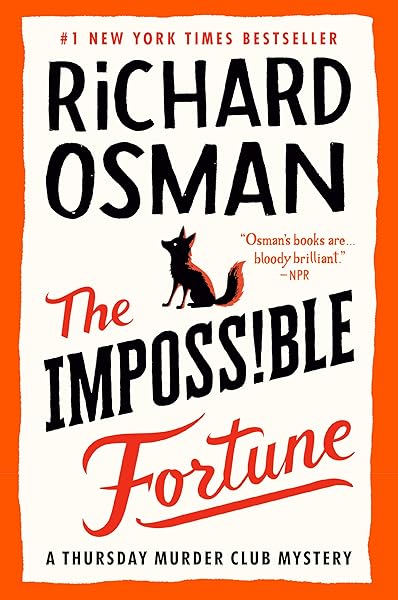
Fantasy Audiobooks



The Future of AI Audiobook Creation: What to Expect
The 'AI audiobook creator' landscape is far from static. The pace of innovation in AI narration is staggering, and authors can anticipate even more sophisticated tools in the near future:
- Enhanced Emotional Intelligence: AI will become even better at discerning and conveying complex emotions, making AI narration indistinguishable from human performance in many contexts.
- Voice Cloning and Customization: Expect more accessible and high-quality voice cloning services, allowing authors to narrate their own books without a studio, or to create unique, branded AI voices for their series.
- Multilingual Narration: AI will effortlessly translate and narrate books in multiple languages, opening up global markets for indie authors with minimal effort.
- Interactive Audiobooks: Imagine audiobooks where the listener's choices influence the narrative, or where AI dynamically adjusts pacing based on listener engagement. This is a frontier AI is uniquely positioned to explore.
- Integrated Production Suites: Platforms like Dear Pantser will offer end-to-end solutions, from writing and editing to AI narration and distribution, streamlining the entire publishing process for authors.
These advancements mean that the barrier to entry for audiobook production will continue to lower, empowering more indie authors to reach a global audience through audio. Staying informed about these technological shifts will be crucial for any author looking to maximize their reach and impact.
Conclusion: Embrace the Audio Revolution
The audiobook market in 2026 offers unprecedented opportunities for indie authors. Whether you leverage the power of an AI audiobook creator, invest in a professional human narrator, or combine the best of both worlds with a hybrid approach, producing an audiobook is a strategic move that can significantly expand your readership and revenue. The key is to prioritize quality, understand your options, and strategically market your audio creation.
Don't let the technical aspects deter you. With the tools and platforms available today, and the continuous innovation in AI, creating an audiobook is more accessible than ever before. Start exploring your options, and get your stories heard!
Start Publishing with Dear Pantser
AI covers, market analysis, blurb writer, and plot tools — all in one place.
Get StartedRelated Articles
The complete toolkit for self-publishing in 2026. Writing, covers, formatting, marketing, and market research — with honest pricing.
Master your book launch with our comprehensive 30-day checklist. Discover actionable steps, marketing strategies, and essential tools for indie authors.
Master your Amazon book categories strategy to reach the right readers. Learn how to select and optimize Kindle categories for maximum visibility and sales.