
Book Launch Checklist: 30 Days to a Successful Release
Master your book launch with our comprehensive 30-day checklist. Discover actionable steps, marketing strategies, and essential tools for indie authors.
30 Days Out: The Foundation Phase
The month leading up to your book launch is crucial for laying the groundwork. This period is about confirming all your assets are ready, engaging your early readers, and setting up your marketing channels. Don't underestimate the power of preparation; small details overlooked now can cause significant headaches on launch day. This phase is about meticulous checking and strategic outreach.
Historically, authors who dedicate time to building an advance reader copy (ARC) team and securing early reviews see a significant uptick in launch day sales. A study by Publisher's Weekly indicated that books with 10+ reviews on launch day performed 1.5 times better than those with fewer than 5. Your goal here is to get those early reviews in motion, ensuring social proof is available for new readers.
Confirm Final Book Files & Metadata
Task: Double-check your manuscript (proofread one last time!), cover design, and back cover copy. Ensure all ISBNs are correctly assigned and embedded. Verify your eBook, paperback, and hardcover files meet distributor specifications (e.g., KDP, IngramSpark). Incorrect files can lead to publishing delays or formatting errors that deter readers.
Why it matters: A professional presentation is paramount. A single typo or formatting glitch can lead to negative reviews, impacting your book's long-term sales. According to a survey by Author Earnings, books with professional covers and error-free manuscripts consistently outperform those with amateur presentations, often by a margin of 30-40% in sales.
Finalize Your Pre-Order Campaign
Task: If you haven't already, set up your book for pre-order across all major platforms (Amazon, Apple Books, Kobo, Barnes & Noble). Ensure your pre-order links are live and working. Confirm your pricing strategy for both the pre-order period and launch day. Consider a lower introductory price to incentivize early purchases.
Why it matters: Pre-orders are a critical indicator of launch-day success. Every pre-order counts as a sale on launch day, boosting your book's sales rank and visibility. Books with robust pre-order numbers often climb higher on bestseller lists, creating a snowball effect. A successful pre-order campaign can contribute 10-20% of your first-month sales, according to industry benchmarks.
Engage Your ARC Team & Early Reviewers
Task: Send out final ARC copies to your review team (Goodreads reviewers, bloggers, influential readers). Provide clear instructions on where and when to post reviews (ideally on launch day or shortly after). Follow up politely to ensure they received the book and are on track to provide feedback.
Why it matters: Early reviews are social proof. A book with zero reviews is a hard sell. Aim for at least 5-10 reviews on launch day. Readers are 88% more likely to trust online reviews as much as personal recommendations. This trust translates directly into sales, especially for new authors.
20 Days Out: Marketing & Outreach Prep
With 20 days remaining, your focus shifts heavily towards marketing and outreach. This is the time to finalize your promotional materials, schedule your social media content, and reach out to your network. Consistency and persistence are key during this phase.
Many authors struggle with marketing, but it's an indispensable part of the publishing journey. A study by Book Marketing Tools found that authors who actively market their books see, on average, 3x higher sales than those who don't. This isn't just about shouting into the void; it's about targeted, strategic communication.
Prepare Marketing Assets
Task: Create compelling graphics for social media (launch announcements, quote cards, countdowns), an author photo, and a professional press kit (if applicable). Write various blurb variations for different platforms (short, medium, long). Ensure your book blurb is irresistible and genre-appropriate. Consider creating a short book trailer if your budget allows.
Why it matters: Visuals capture attention. High-quality marketing assets make your book stand out in a crowded market. Data suggests that social media posts with images receive 2.3 times more engagement than those without. A strong blurb is your book's sales pitch; it's often the deciding factor for potential readers.
Schedule Social Media Content
Task: Plan a 30-day social media calendar leading up to and past your launch date. Schedule posts across all your active platforms (Facebook, Instagram, Twitter, TikTok, etc.). Include a mix of promotional content, behind-the-scenes glimpses, reader engagement questions, and countdowns. Utilize scheduling tools to ensure consistent posting.
Why it matters: Consistent social media presence keeps your book top-of-mind for your followers. It builds anticipation and allows you to reach a wider audience. Authors who post regularly (3-5 times a week) often experience higher engagement rates, translating into more clicks on their buy links.
Reach Out to Influencers & Media (Optional)
Task: If you have connections or a compelling story, pitch your book to book bloggers, podcasters, local media, or genre-specific influencers. Provide them with a digital ARC and your press kit. Personalize each outreach email to increase your chances of a response.
Why it matters: Third-party endorsements lend credibility and significantly expand your reach beyond your existing audience. A mention on a popular blog or podcast can drive hundreds, if not thousands, of new readers to your book. Influencer marketing generates 11x higher ROI than traditional forms of digital marketing.
10 Days Out: Final Touches & Community Engagement
As launch day draws near, your focus should be on nurturing your community, driving pre-orders, and ensuring all technical aspects are flawless. This is the time to activate your existing readership and make them feel part of your journey.
Engaged communities are your most powerful marketing asset. Authors with strong fan bases often see higher conversion rates for their book launches. For example, authors who regularly interact with their newsletter subscribers report 2-3x higher open rates and click-through rates on launch-day emails compared to authors who only send infrequent updates.
Send Newsletter Reminders
Task: Craft a compelling newsletter reminding your subscribers about the impending launch. Include direct links to pre-order pages and a clear call to action. Consider offering an exclusive bonus for pre-ordering (e.g., a bonus chapter, deleted scene, or character art).
Why it matters: Your email list is your most valuable asset. Subscribers are your most dedicated fans and are highly likely to purchase your new book. Email marketing consistently delivers one of the highest ROIs, with average returns of $42 for every $1 spent.
Confirm Launch Day Promotions & Ads
Task: Double-check any scheduled ads (e.g., Amazon Ads, Facebook Ads) to ensure they are set to go live on launch day. Confirm any paid promotions with book promotion sites (e.g., BookBub, Fussy Librarian, StoryOrigin). Ensure your budget is allocated effectively for maximum impact.
Why it matters: Paid advertising and promotions can provide a significant boost in visibility and sales, especially for books in competitive genres. A well-targeted ad campaign can reach thousands of potential readers who might not otherwise discover your book. For instance, Amazon Ads can increase sales velocity by 15-20% during a launch window.
Engage with Reader Communities
Task: Participate actively in relevant online communities (Goodreads groups, Facebook groups, Reddit subreddits) where your target readers gather. Share interesting anecdotes about your writing process or sneak peeks, but always respect group rules regarding promotion. Be helpful and engaging, not just promotional.
Why it matters: Building genuine connections within reader communities can lead to organic word-of-mouth marketing. Readers trust recommendations from their peers. A single enthusiastic reader in a large group can influence dozens, if not hundreds, of others.
5-1 Day Out: The Final Countdown
The last few days before launch are about final checks, generating buzz, and mentally preparing yourself for the big day. It's a sprint to the finish line, ensuring every detail is in place for a smooth debut.
This period is about consolidating your efforts and focusing on the immediate impact. Many authors find these days stressful, but a structured approach can alleviate anxiety and ensure nothing is missed. The goal is to build maximum anticipation for the moment your book goes live.
Final Website/Landing Page Check
Task: Verify all links on your author website and book landing page are functioning correctly, especially the buy links to retailers. Ensure your book's description, cover, and reviews are prominently displayed and up-to-date. Optimize for mobile responsiveness.
Why it matters: Your website is your digital storefront. A broken link or slow loading page can deter potential buyers. A seamless user experience is crucial for converting interest into sales. Websites with clear calls to action and robust mobile optimization see 2x higher conversion rates.
Prepare Launch Day Social Media Posts
Task: Write and schedule your biggest launch day announcement posts across all platforms. Include exciting visuals, direct buy links, and a strong call to action. Prepare a 'thank you' post for your readers and team.
Why it matters: Launch day posts are your primary way of informing your audience that the book is officially available. These posts should be impactful and easy to share, encouraging your followers to spread the word. A well-crafted launch announcement can generate significant initial traffic to your sales pages.
Mentally Prepare & Get Some Rest
Task: Take a deep breath! You've worked incredibly hard. Ensure you're well-rested for launch day. Delegate what you can and trust the process you've meticulously planned. Celebrate this massive accomplishment.
Why it matters: Launch day can be stressful. Being well-rested helps you respond effectively to any unexpected issues and allows you to enjoy the culmination of your hard work. Author burnout is real; self-care is part of a sustainable career.
Launch Day: It's Go Time!
The day is finally here! This is not the time to relax, but to actively engage, monitor, and respond. Your efforts on launch day directly contribute to your book's initial sales velocity, which algorithms love.
Think of launch day as the grand opening of your store. You need to be present, welcoming, and ready to interact with customers. Active engagement on launch day can boost your visibility by 10-15% on social media, increasing the likelihood of shares and mentions.
Announce Across All Channels
Task: Post your 'It's Live!' announcements on all social media platforms. Send out your final launch day newsletter. Update your website and email signature with direct buy links. Encourage shares and engagement.
Why it matters: This is the moment your book becomes available to the world! Ensure everyone in your network knows about it. The more channels you use, the wider your initial reach. A strong initial push can create a viral effect.
Engage with Readers & Reviewers
Task: Actively respond to comments, messages, and mentions across social media. Thank anyone who shares your book or leaves a review. Engage with your ARC team to encourage them to post their reviews.
Why it matters: Direct engagement builds rapport and makes readers feel valued. It also demonstrates your professionalism and commitment to your audience, fostering loyalty that translates into future sales for your next writing project.
Monitor Sales & Rankings (Don't Obsess)
Task: Keep an eye on your sales dashboard and book rankings, but don't spend all day refreshing. Use this data for strategic insights, not just anxiety. Note trends and prepare for post-launch adjustments.
Why it matters: While it's tempting to obsess, focus on the bigger picture. Initial sales data provides valuable feedback on what's working and what might need tweaking in your marketing strategy. This data can inform your approach to future book launches.
Post-Launch: Sustaining Momentum
The launch isn't the finish line; it's just the beginning. The weeks and months following your book's release are crucial for sustaining momentum and ensuring long-term sales. This phase is about continued marketing, engagement, and adapting your strategy based on early results.
Many authors make the mistake of stopping their marketing efforts after launch week. However, the lifespan of a book is long, and consistent effort yields ongoing returns. Books that maintain marketing efforts for 3-6 months post-launch often achieve 50% higher sales than those that cease promotion after the first month.
Continue Marketing Efforts
Task: Don't stop promoting! Repurpose your marketing assets, run new ad campaigns, and schedule new social media content. Consider guest posts, podcast interviews, or virtual book club appearances. Explore new promotion sites.
Why it matters: The discovery phase for readers is ongoing. New readers will constantly be looking for their next read. Consistent marketing ensures your book remains visible and continues to attract new audiences long after the initial launch buzz fades. This is especially true for romance and fantasy genres, where reader communities are always seeking new series.
Encourage Reviews & Feedback
Task: Gently remind readers (via newsletter or social media) to leave reviews on retail sites and Goodreads. Engage with feedback, positive or negative, professionally. Consider running a giveaway to incentivize reviews.
Why it matters: Reviews are the lifeblood of a book's long-term success. They provide social proof, improve search rankings, and directly influence purchase decisions. A book with 50+ reviews is perceived as significantly more credible than one with only a handful.
Analyze Data & Adapt Strategy
Task: Review your sales data, ad performance, and website analytics. What's working? What isn't? Adjust your marketing spend, ad copy, and promotional tactics based on these insights. Experiment with different price points or promotion types.
Why it matters: Data-driven decisions are more effective. Understanding your audience's behavior and your marketing's performance allows you to optimize your strategy, ensuring your efforts and resources are used efficiently. Indie authors who regularly analyze their data see an average 15% improvement in their marketing ROI.
Genre-Specific Launch Considerations
While the core book launch checklist remains consistent, certain genres benefit from tailored strategies. Understanding the nuances of your genre's audience and typical reader behavior can significantly amplify your launch efforts. For instance, readers of Romance often look for tropes, while Fantasy readers might prioritize world-building.
Tailoring your approach isn't just about keywords; it's about connecting with your specific readership's expectations and desires. According to a study by BookStat, genre-specific marketing campaigns yield 20-30% higher engagement rates than generic campaigns, demonstrating the power of niche targeting.
Romance & Romantasy
Focus: Emphasize tropes, heat level, character chemistry, and 'happily ever after' (or 'happily for now'). Leverage social media platforms like TikTok (BookTok) and Instagram with aesthetic posts, character art, and trope reveals. Participate in romance reader groups and newsletter swaps with other romance authors. Highlight your cover design as it often conveys genre and tone instantly.


Fantasy & Sci-Fi
Focus: Showcase world-building, magic systems, character arcs, and epic scope. Engage with readers on forums like Reddit's r/fantasy and r/scifi. Share maps, character art, and excerpts that highlight unique elements. Consider early access to chapters or lore for dedicated fans. Long-form reviews and discussions are highly valued in these genres.
Epic Fantasy Covers

On Wings of Blood: A Novel (Bloodwing Academy Book 1)

Rain of Shadows and Endings (The Legacy)

A Tongue so Sweet and Deadly (The Compelling Fates Saga)

Shield of Sparrows: An Enemies-to-Lovers Epic Romantasy

We Who Will Die: An Epic Romantasy of Forbidden Love, Deadly Secrets, and Vampires in a High-Stakes Arena, Discover a Vividly Reimagined Ancient Rome (Empire of Blood Book 1)

The Ascended (The Aesymarean Duet)
Thriller & Mystery
Focus: Highlight suspense, plot twists, high stakes, and compelling protagonists. Use intriguing taglines and blurbs that create curiosity without giving away spoilers. Target crime fiction blogs and podcasts. Consider running a 'guess the killer' or 'solve the puzzle' social media campaign. A strong, impactful cover is crucial for this genre.


Cozy Mystery
Focus: Emphasize the charming setting, quirky characters, and lack of gore. Connect with cozy mystery blogs and Facebook groups. Share recipes, craft ideas, or details about the book's setting. Promote your book as a comforting escape with a clever puzzle. The cover art should reflect the cozy, inviting tone.
Charming Cozy Mystery Covers

No Stress Space Express: A Cozy, Low-Stakes, Slice-of-Life Scifi Adventure
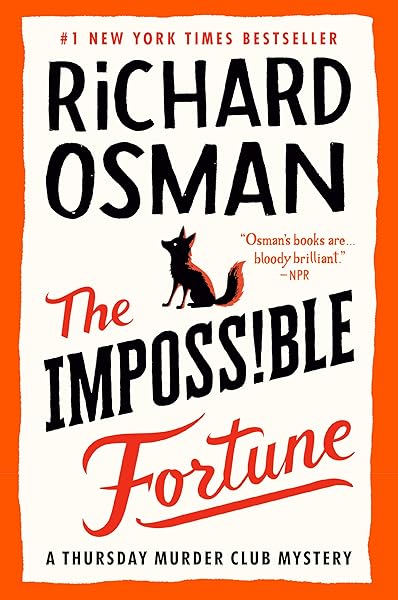
The Impossible Fortune: A Thursday Murder Club Mystery (Thursday Murder Club Mysteries Book 5)
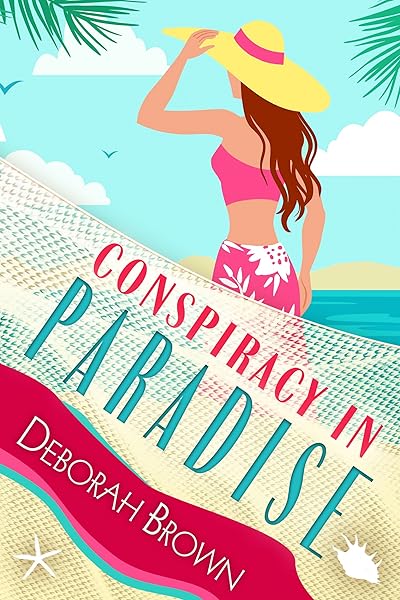
Conspiracy in Paradise (Florida Keys Mystery Series Book 36)

Galactic Green Thumbs: A Cozy, Low-Stakes, Slice-of-Life Sci-fi Adventure (No Stress Space Express Book 9)
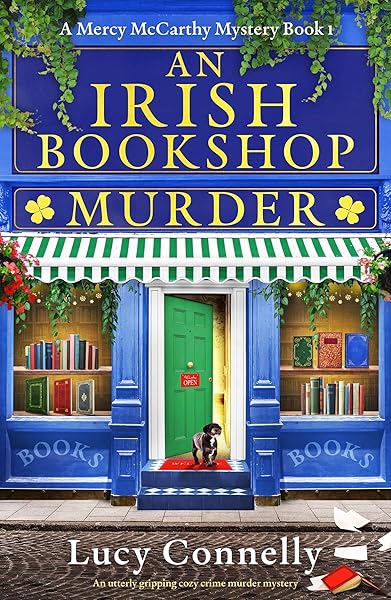
An Irish Bookshop Murder: An utterly gripping cozy crime murder mystery (A Mercy McCarthy Mystery Book 1)
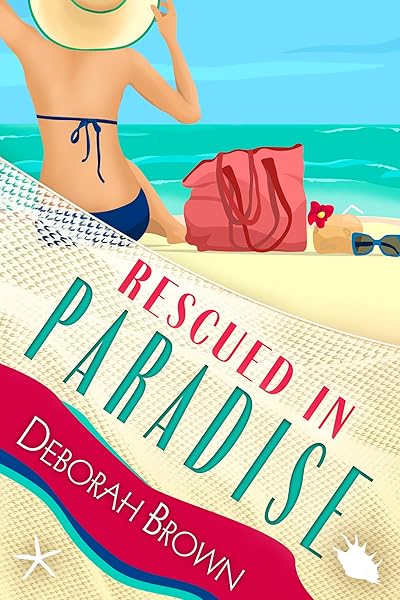
Rescued in Paradise (Florida Keys Mystery Series Book 32)
Young Adult (YA)
Focus: Engage with the YA BookTok and BookTube communities. Highlight themes of self-discovery, first love, adventure, and relatable character struggles. Run polls and quizzes related to your book's themes or characters. Collaborate with YA book bloggers for reviews and features. Visuals and an active presence on youth-centric platforms are key.
Engaging YA Covers

King of Depravity: Dark Steamy Mafia/Billionaire Romance (Kings of Las Vegas Book 1)

The Bond That Burns: A Novel – A Spicy Romantasy and Dark Shifter Academy Story (Bloodwing Academy Book 2)

Fearless (The Powerless Trilogy)

Second Act Romance (The Improbable Meet-Cute: Second Chances)

Return to Rosewood Beach

Her Valentine's Ruin: A Brother's Best Friends Reverse Harem (Lucky Lady Reverse Harems)
Tools & Resources for Your Book Launch
Successfully navigating a book launch requires more than just a checklist; it also demands the right tools. Leveraging technology can automate tasks, streamline communication, and provide valuable insights, freeing up your time to focus on creative work and direct reader engagement. Think of these as your indispensable co-pilots in the journey to a successful launch.
Indie authors who utilize a robust toolkit consistently report higher efficiency and better outcomes. For example, authors using email service providers effectively see average open rates of 20-25% and click-through rates of 2-5%, significantly higher than manual outreach. These tools pay for themselves in saved time and increased reach.
Email Service Providers (ESPs)
Purpose: Manage your author newsletter, schedule automated sequences, and segment your audience. Essential for direct communication with your most dedicated readers.
Examples: ConvertKit, MailerLite, Mailchimp. ConvertKit is particularly popular among authors for its robust tagging and automation features, allowing for personalized launch sequences.
Social Media Schedulers
Purpose: Plan and schedule your social media posts in advance across multiple platforms, ensuring consistent visibility without constant manual effort.
Examples: Buffer, Hootsuite, Later. These tools can save hours each week, allowing you to focus on engaging with comments rather than just posting.
ARC Management Platforms
Purpose: Organize and distribute Advance Reader Copies, track reviewer progress, and gather reviews efficiently.
Examples: BookFunnel, StoryOrigin, NetGalley. BookFunnel, for example, streamlines the delivery of ARCs to readers and collects direct reviews, simplifying a critical launch task.
Advertising Platforms
Purpose: Run targeted ads to reach new readers on platforms where they are already browsing for books.
Examples: Amazon Ads, Facebook Ads, BookBub Ads. Amazon Ads are crucial for visibility within the Amazon ecosystem, often yielding a direct return on investment when optimized correctly.
Graphic Design Tools
Purpose: Create professional-looking social media graphics, banners, and promotional images without needing advanced design skills.
Examples: Canva, Adobe Express. Canva's user-friendly interface and extensive templates make it a go-to for authors needing quick, high-quality visuals for their launch.
Your Book Launch, Your Success
Launching a book as an indie author is a marathon, not a sprint. While this book launch checklist provides a comprehensive roadmap, remember that flexibility and persistence are your greatest assets. Not every step will go perfectly, and that's okay. The key is to learn, adapt, and keep moving forward.
Each successful launch builds your author platform, grows your readership, and solidifies your presence in the publishing world. By meticulously planning and executing your strategy, you're not just launching a book; you're investing in your long-term career as an author. Embrace the journey, celebrate your achievements, and prepare for your next market-ready masterpiece!
Start Publishing with Dear Pantser
AI covers, market analysis, blurb writer, and plot tools — all in one place.
Get StartedRelated Articles
Master your Amazon book categories strategy to reach the right readers. Learn how to select and optimize Kindle categories for maximum visibility and sales.
Unlock the power of Amazon Ads for authors. Learn how to set up, optimize, and scale your campaigns for profitability, starting with just $5 a day.
Unlock the secrets to creating high-quality audiobooks in 2026, blending AI narration with traditional methods. Learn about tools, platforms, and best practices for indie authors.