
Book Pricing Strategy: Data from 2500 Bestsellers
Data-driven book pricing strategy by genre. We analyzed 2,500+ bestsellers to find the price sweet spots for romance, fantasy, thriller, and more.
What 2,500+ Bestsellers Reveal About Book Pricing
Every indie author has the same question at launch: what should I price my book? The internet is full of opinions. Price at $0.99 for visibility. No, price at $4.99 for the 70% royalty. Actually, $9.99 is the sweet spot. The advice contradicts itself because most of it is based on anecdotes, not data.
We analyzed 2,500+ bestselling books across romance, fantasy, thriller, mystery, horror, science fiction, and literary fiction to answer the pricing question with actual numbers. We looked at average prices, price distributions by genre, KU enrollment rates, series pricing strategies, and the relationship between price and reader engagement.
The results challenge several common assumptions. The "right" price depends heavily on your genre, your publishing model (KU vs. wide), and where you are in your career. A $4.99 romance and a $4.99 fantasy novel face completely different competitive landscapes.
Tip: Pricing is not permanent. The authors who earn the most treat price as a lever they adjust based on data — not a decision they make once at launch and never revisit.
Here is what the data actually shows, genre by genre, with specific recommendations you can apply to your next book.
Romance Pricing: The $4.99 KU Playbook
Romance is the most price-sensitive major genre — and the most KU-dependent. Our data shows an average price of $7.58, but that number is misleading because it blends two very different markets.
KU romance (58% of bestsellers) clusters overwhelmingly at $4.99. Authors like Freida McFadden, Ana Huang, and Hannah Grace all price their ebooks at or near $4.99. The logic is simple: KU readers do not care about price because they are reading on subscription. The $4.99 list price catches the non-KU buyers at an impulse-friendly level while maximizing page reads revenue from KU borrows.
Wide romance (the other 42%) prices higher, typically $5.99–$8.99, because these authors earn per sale rather than per page read. Without KU's page-read revenue supplementing income, higher list prices are necessary to maintain profitability.
Romance readers are voracious — 14 million Goodreads ratings in our dataset alone — and they consume books rapidly, often reading 3–5 books per week. This consumption pattern means series economics dominate. A whopping 54% of bestselling romance titles are part of a series, the highest rate of any genre.
The series pricing ladder: The most effective strategy in romance is pricing Book 1 at $0.99–$2.99 (or permafree) to hook readers, then pricing Books 2+ at $4.99. This converts casual browsers into series readers. With the average romance series running 3–5 books, total reader value per series easily exceeds $15–$20 even at KU page rates.
Tip: If you are writing dark romance or contemporary romance and plan to enroll in KU, price at $4.99 and focus your energy on series length and release velocity rather than price optimization.
Romance bestsellers: $4.99 dominates the category

Bad Bishop: A Dark Mafia Romance (Society of Villains Book 1)

Till Summer Do Us Part

Rewind It Back (Windy City Series Book 5)

Say You'll Remember Me

The Wild Card: a single dad hockey romance

Picking Daisies on Sundays

The Fall Risk: A Short Story

King of Depravity: Dark Steamy Mafia/Billionaire Romance (Kings of Las Vegas Book 1)
Fantasy & Sci-Fi: Premium Pricing That Works
Fantasy commands the highest average prices of any fiction genre in our dataset: $11.67. This is not an accident — it reflects the genre's unique economics.
Fantasy readers expect longer books. The average bestselling fantasy novel runs 469 pages, compared to 414 for romance and 350 for thrillers. More pages mean more production cost (editing, formatting) and more perceived value. Readers intuitively understand that a 500-page epic fantasy "should" cost more than a 250-page romance novella.
KU enrollment in fantasy is lower than romance at 42%, meaning more fantasy readers buy books outright. This shifts the optimal pricing higher because there is less KU page-read revenue to supplement lower list prices.
The series rate in fantasy is 44%, with many series running 5–10+ books. Readers who invest in a fantasy world tend to be extremely loyal — they will follow a series to completion. This makes the series starter discount even more powerful in fantasy than in romance. Price Book 1 at $2.99–$4.99, prove your world and characters, then price the rest at $6.99–$9.99.
Indie vs. traditional pricing: Traditional fantasy publishers (Tor, Orbit, Del Rey) price ebooks at $11.99–$14.99. Indie fantasy authors who price at $5.99–$7.99 can undercut trad pricing while still earning more per sale than a trad-published author receiving 25% of net. This price gap is one of indie fantasy's biggest competitive advantages.
Science fiction follows a similar pattern, though with slightly lower average prices ($10.20) and a stronger KU presence. Hard sci-fi and space opera tend to price at the higher end, while LitRPG and progression fantasy — which have faster release schedules and shorter books — cluster around $4.99–$5.99, mirroring KU romance economics.
Fantasy: $11.67 average price

On Wings of Blood: A Novel (Bloodwing Academy Book 1)

Rain of Shadows and Endings (The Legacy)

A Tongue so Sweet and Deadly (The Compelling Fates Saga)

Shield of Sparrows: An Enemies-to-Lovers Epic Romantasy

We Who Will Die: An Epic Romantasy of Forbidden Love, Deadly Secrets, and Vampires in a High-Stakes Arena, Discover a Vividly Reimagined Ancient Rome (Empire of Blood Book 1)
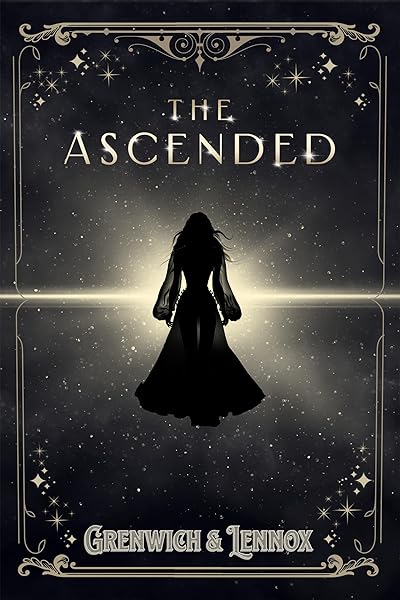
The Ascended (The Aesymarean Duet)
Sci-Fi: $10.20 average price
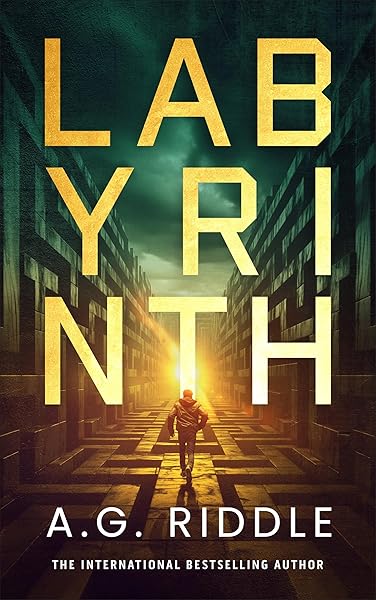
Labyrinth

Non-Human Origin: A Science-Fiction Thriller (The Non-Human Chronicles Book 1)
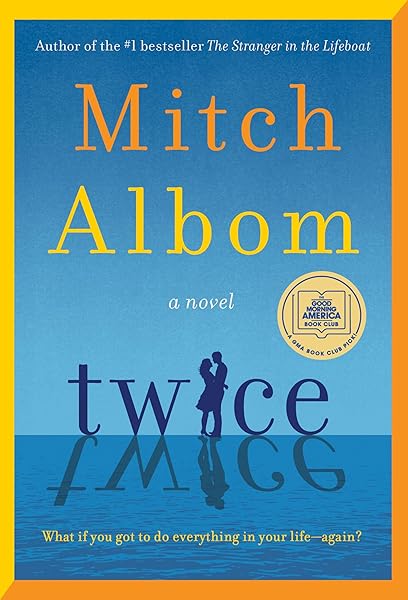
Twice: A GMA Book Club Pick
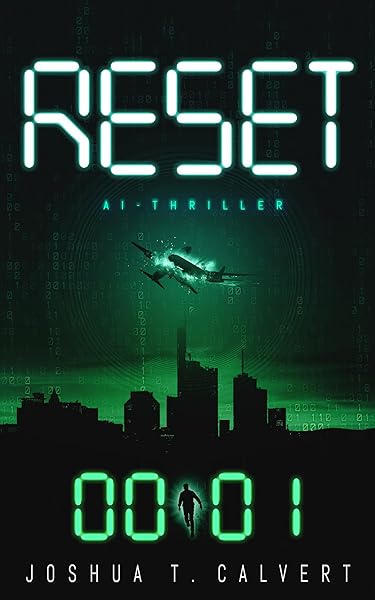
RESET: Science Fiction Thriller
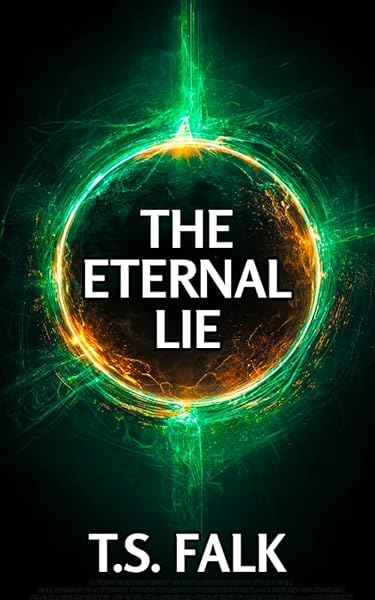
THE ETERNAL LIE: A Science Fiction Thriller (The Secret History Book 1)

2026 SciFi Anthology: The Science Fiction Novelists (The Science Fiction Novelists SciFi Anthology Series Book 6)
Thriller & Mystery: The Middle Ground
Thrillers and mysteries occupy the pricing middle ground between romance's KU-driven $4.99 and fantasy's premium $11+. Both genres average around $8.85–$8.86, with similar page counts (350–351 pages) and moderate KU enrollment (36–38%).
What makes these genres interesting from a pricing perspective is their lower series rate. Only 20% of bestselling thrillers and 26% of mysteries are series entries, compared to 54% in romance and 44% in fantasy. This means standalone pricing matters more — you cannot rely on series read-through to recover a low Book 1 price.
The $4.99 phenomenon is visible in thrillers thanks to KU-enrolled authors like Freida McFadden, but it coexists with $12.99–$14.99 ebooks from traditional publishers like Simon & Schuster and Penguin Random House. This creates a bimodal distribution: indie thrillers at $4.99 competing directly with trad thrillers at $12.99, with relatively few books in between.
For indie thriller and mystery authors, the strategic implication is clear: price at $4.99 if you are in KU, or $6.99–$8.99 if you are wide. The $6.99–$8.99 range signals quality without reaching trad publisher territory, and it delivers $4.89–$6.29 per sale at the 70% royalty tier.
Tip: Thriller standalones benefit from limited-time price drops more than series. Drop to $0.99 for a BookBub Featured Deal, ride the visibility boost, then return to your base price. The "sale" framing drives urgency that standalone buyers respond to strongly.
Thriller: $8.86 avg, 36% KU


Horror: The KU Powerhouse Nobody Talks About
Horror has the highest KU enrollment rate of any genre in our dataset: 60%. That is higher than romance (58%), and it flips the pricing strategy entirely toward KU optimization.
The average horror ebook price is $7.36 — the lowest of the major genres. But this "low" price is deceptive. Horror authors in KU are earning primarily through page reads, not sales. A 370-page horror novel generates roughly $1.60–$1.85 in page-read revenue per borrow (at the current ~$0.0045/page KENPC rate), plus $3.49 from the occasional $4.99 sale.
The 40% series rate in horror is moderate, but horror series tend to be shorter (trilogies rather than 10-book sagas). This means the series starter strategy still works, but the total read-through value per reader is lower than in romance or fantasy. Compensate by pricing Book 1 at $0.99 and Books 2–3 at $4.99.
Horror also has a strong seasonal component that affects pricing strategy. Sales spike dramatically in September–October. Smart horror authors time their launches for late August or early September, use $0.99 launch pricing to ride the seasonal wave, then raise to $4.99 after Halloween when organic discovery slows.
With 3.6 million Goodreads ratings in our dataset, horror has a passionate but smaller readership than romance or fantasy. The high KU rate suggests these readers prefer subscription access — they consume horror rapidly and in volume, making KU a natural fit.
Horror: 60% KU enrollment — highest of any genre

The First Witch of Boston: A Novel
On Wings of Blood: A Novel (Bloodwing Academy Book 1)
We Who Will Die: An Epic Romantasy of Forbidden Love, Deadly Secrets, and Vampires in a High-Stakes Arena, Discover a Vividly Reimagined Ancient Rome (Empire of Blood Book 1)
The Ascended (The Aesymarean Duet)

Eldritch (The Eating Woods)
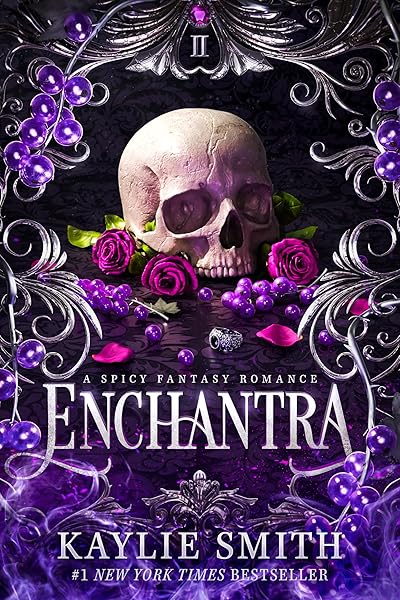
Enchantra: A spicy fantasy romance (Wicked Games Book 2)
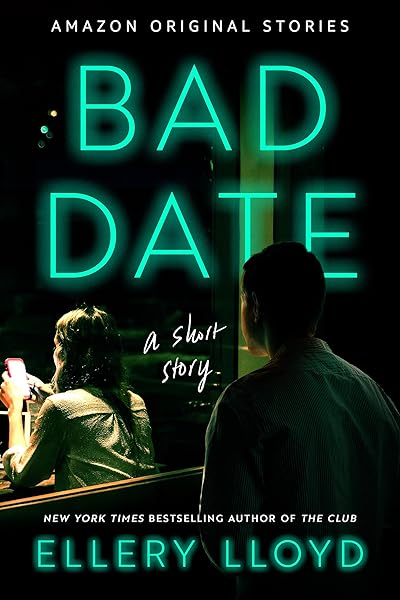
Bad Date: A Short Story

Eleven Numbers: A Short Story
The KU vs. Wide Pricing Decision
Your choice between Kindle Unlimited (exclusive to Amazon) and wide distribution (Apple Books, Kobo, Barnes & Noble, Google Play) fundamentally changes your pricing strategy. This is not a minor tactical decision — it reshapes your entire revenue model.
KU economics favor lower prices. In KU, your primary revenue comes from page reads (~$0.0045 per page), not sales. The list price mainly serves to convert the minority of non-KU buyers and to signal value. A $4.99 price is optimal for most KU genres because it maximizes the 70% royalty on sales while keeping the book accessible to non-subscribers.
Wide economics favor higher prices. Without page-read revenue, every dollar of income comes from sales. A wide author pricing at $4.99 earns $3.49 per sale. The same author at $7.99 earns $5.59 per sale — a 60% increase in per-sale revenue. Wide authors can afford to sell fewer copies at higher prices because they are not leaving page-read money on the table.
Here is how KU enrollment rates vary by genre in our data:
When to Choose KU
KU is strongest when you write in high-volume consumption genres (romance, horror, LitRPG) where readers burn through multiple books per week. The math works because KU readers generate page-read revenue that supplements your per-sale income. If you can write 4+ books per year and your genre's KU rate is above 40%, KU is almost certainly more profitable than wide.
KU also provides Amazon algorithmic advantages. KU borrows count toward your Best Seller Rank, and Amazon's recommendation engine favors KU-enrolled titles. This visibility boost compounds over time, especially for series.
When to Go Wide
Wide distribution makes sense when your genre's KU rate is below 40% (literary fiction, some fantasy subgenres, non-fiction), when you have a strong direct-sales presence (email list, Patreon, website), or when you want to build platform independence from Amazon. Wide also works better for authors who publish 1–2 books per year, since the KU page-read advantage requires volume to materialize.
Wide authors should price $2–$4 higher than their KU competitors to compensate for the absence of page-read revenue. A $7.99 wide ebook competing against $4.99 KU books can still be profitable if the author's brand and blurb are strong enough to convert browsers into buyers.
Series Pricing Strategy: The Funnel That Pays
Series dominate the bestseller lists in every fiction genre. In our dataset, 54% of romance, 44% of fantasy, 40% of horror, 26% of mystery, and 20% of thrillers are series entries. If you are writing series, your pricing strategy should follow the funnel model.
Book 1: $0.99–$2.99 (the hook). Your first book's job is not to make money — it is to acquire readers. At $0.99, you earn just $0.35 per sale, but you maximize discoverability. At $2.99, you earn $2.09 and qualify for the 70% royalty tier. The right choice depends on your genre: romance and horror readers respond strongly to $0.99 starters, while fantasy readers are comfortable starting at $2.99–$4.99 for a longer book.
Books 2–3: $4.99 (the value zone). Once a reader is hooked, they will pay full price for the continuation. $4.99 is the most common price for mid-series books across all genres. It delivers $3.49 per sale and does not trigger price resistance in readers who are already invested in the story.
Books 4+: $4.99–$6.99 (loyal reader pricing). By Book 4, readers are committed. You can hold at $4.99 or nudge up to $5.99–$6.99 without losing read-through. The deeper into a series, the less price-sensitive readers become.
Box sets: $9.99–$14.99 (the value bundle). Bundling Books 1–3 at $9.99 offers perceived value while earning $6.99 per sale. Box sets also perform well in KU because the combined page count generates substantial page-read revenue. A 1,200-page box set at the current KENPC rate earns roughly $5.40 per borrow — competitive with a single $7.99 sale.
Tip: Track your series read-through rate (what percentage of Book 1 readers buy Book 2, Book 3, etc.). If read-through drops below 40% between Books 1 and 2, the problem is not pricing — it is your Book 1 ending or your Book 2 blurb. Fix the content before adjusting prices.
The $4.99 Phenomenon: Why One Price Dominates
If there is a single number that defines indie publishing pricing in 2026, it is $4.99. This price point appears more frequently than any other in our dataset, and for good reason — it sits at the intersection of three powerful forces.
Force 1: The 70% royalty threshold. Amazon pays 70% royalties on ebooks priced $2.99–$9.99. At $4.99, you earn $3.49 per sale. This is the lowest price that delivers meaningful per-sale revenue while staying well within the 70% tier.
Force 2: Impulse buy psychology. Consumer psychology research consistently shows that prices under $5 register as "cheap" in the digital goods category. A $4.99 ebook feels like a low-risk purchase. At $6.99, buyers pause and evaluate. At $9.99, they compare against other entertainment options. The sub-$5 price removes friction from the purchase decision.
Force 3: KU neutralization. For KU-enrolled books, the list price is largely irrelevant to KU subscribers (they borrow for free). But it matters to the non-KU buyers who see the book in search results. $4.99 captures these buyers without leaving significant money on the table.
Freida McFadden's success illustrates this perfectly. As one of the bestselling authors of 2024–2025, she prices her thrillers consistently at $4.99. Her books regularly appear in the Top 100 overall Kindle store, competing against trad-published titles priced at $12.99–$14.99. The price differential makes her books appear as extraordinary value, driving higher conversion rates from impressions to purchases.
However, $4.99 is not universally optimal. Fantasy and sci-fi authors with longer books can and should price higher. Literary fiction authors going wide should price at $7.99+. Non-fiction authors in specialized niches should price at $9.99+. The $4.99 sweet spot is specific to KU-enrolled fiction in high-velocity genres.
Price Testing: How to Find Your Sweet Spot
The best pricing strategy is the one you test and validate with your own data. Here is a practical framework for price testing that any indie author can implement.
Step 1: Start at genre median. Use the genre averages from this analysis as your starting point. Romance at $4.99, fantasy at $6.99–$9.99, thriller at $4.99–$6.99. This ensures you are not wildly out of range for your category.
Step 2: Run a 30-day test at your starting price. Track three metrics: daily sales, daily page reads (if KU), and Best Seller Rank. Record the averages.
Step 3: Test one price up. Raise your price by $1–$2 for 30 days. Record the same metrics. Calculate total revenue (sales revenue + page-read revenue).
Step 4: Test one price down. Drop by $1–$2 from your original price for 30 days. Same metrics.
Step 5: Compare total revenue. The optimal price is not the one that maximizes sales volume — it is the one that maximizes total revenue. You might sell 30% fewer copies at $6.99 than at $4.99, but if your total revenue is higher, $6.99 is the better price.
This process takes 90 days, which feels slow. But pricing is a lever you will pull for the lifetime of the book. Three months of testing that identifies an extra $1 per sale compounds over years of sales and across your entire backlist.
Use Dear Pantser's Market Analysis to research your genre's pricing landscape before you start testing. Knowing where the top 100 books in your category are priced gives you the competitive context to make informed decisions.
Your Data-Driven Pricing Action Plan
Here is a concise action plan based on everything the data tells us. Bookmark this and revisit it before every launch.
If you write romance and are in KU: Price Book 1 at $0.99–$2.99, Books 2+ at $4.99. Focus on release velocity and series length.
If you write fantasy or sci-fi: Price Book 1 at $2.99–$4.99, Books 2+ at $6.99–$9.99. Your readers expect longer books at higher prices. Deliver on both.
If you write thrillers or mystery: Price standalones at $4.99 (KU) or $6.99–$8.99 (wide). Use BookBub price drops to $0.99 for visibility spikes.
If you write horror: KU is your primary channel (60% enrollment). Price at $4.99, time launches for September–October, and write in series.
If you are going wide: Add $2–$4 to your KU competitor's price. You are earning per sale, not per page, so price accordingly.
If you are a debut author: Start at your genre's median price for a standalone, or $0.99–$2.99 for a series starter. Build reviews, build a backlist, then experiment with higher prices.
Pricing is a skill, not a guess. The authors who consistently earn the most in indie publishing are the ones who treat pricing as an ongoing experiment informed by data. Explore your genre's market data to see where the bestsellers in your specific niche are priced, and use that as your starting point.
Next step: Open the Market Analysis tool and look up your genre. See where the top books are priced. Then use this article's framework to set your initial price and plan your first 90-day test.
Bestsellers across genres — priced to sell


Explore Market Data by Genre
Browse real Amazon data for 40+ genres — prices, KU rates, tropes, and trends.
Open Market AnalysisRelated Articles
Data-driven analysis of 2,500+ bestselling book covers across 27 genres. Typography patterns, color palettes, image types, and what top sellers have in common.
Which book tropes actually sell? We analyzed 2,500+ bestsellers to find the most commercially successful tropes in romance, fantasy, thriller, and more.
Navigate the 2026 contemporary romance book market with data-driven insights. Discover reader trends, subgenre shifts, and actionable strategies for indie authors.