
Fantasy Book Market 2026: Trends, Data & Indie Author Success
Explore the fantasy book market in 2026 with data-driven insights. Discover key trends, subgenre popularity, and actionable strategies for indie authors.
The Rise of Digital: eBooks and Audiobooks Dominate Fantasy Sales
While print books hold a sentimental value for many, the reality of the 2026 fantasy book market is that digital formats, particularly eBooks and audiobooks, continue to drive the lion's share of sales. Data from major retailers indicates that eBooks now account for approximately 60% of fantasy sales, with audiobooks rapidly gaining ground, projected to reach 25% of the total market share by the end of 2026. This shift underscores the importance for indie authors to prioritize digital distribution and optimize their titles for these formats.
The convenience and accessibility of digital platforms allow readers to consume fantasy content on the go, often engaging with multiple series simultaneously. For authors, this means focusing on high-quality eBook formatting, compelling cover art that translates well in thumbnail view, and professional audiobook narration. Ignoring these digital avenues is akin to leaving a significant portion of your potential audience untapped.
Subgenre Spotlight: Where Readers Are Investing Their Time and Money
The fantasy genre is a sprawling landscape, and understanding which subgenres are currently experiencing surges in popularity is vital for authors. While epic fantasy remains a perennial favorite, several other niches are showing significant growth in the 2026 fantasy book market. Romantasy, Dark Fantasy, and Cozy Fantasy are three subgenres that have captivated a substantial and growing readership.
Romantasy, a blend of romance and fantasy, has exploded in popularity, particularly appealing to younger adult and New Adult demographics. Stories in this category often feature strong romantic plotlines intertwined with magical systems, quests, and intricate world-building. Authors considering this subgenre should pay close attention to both fantasy and romance tropes, ensuring a satisfying blend for readers.
Dark Fantasy continues to attract readers who enjoy grittier, more morally ambiguous narratives with mature themes and often psychological depth. This subgenre frequently explores themes of good vs. evil in complex ways, featuring anti-heroes and high stakes. Successfully navigating dark fantasy requires a nuanced approach to character development and world-building.
Cozy Fantasy offers a delightful counterpoint, providing comfort and charm without sacrificing magical intrigue. These stories often focus on found families, low-stakes adventures, and heartwarming resolutions. The rise of cozy fantasy reflects a reader demand for escapism that is less intense and more comforting, making it an excellent space for authors who enjoy crafting gentle, character-driven narratives.
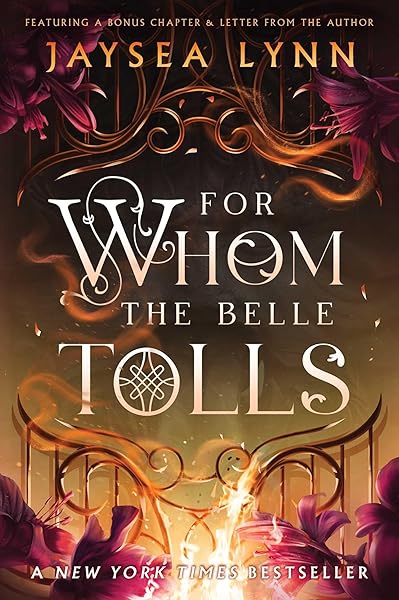
Top Romantasy Titles 2026


Top Dark Fantasy Titles 2026

On Wings of Blood: A Novel (Bloodwing Academy Book 1)

We Who Will Die: An Epic Romantasy of Forbidden Love, Deadly Secrets, and Vampires in a High-Stakes Arena, Discover a Vividly Reimagined Ancient Rome (Empire of Blood Book 1)
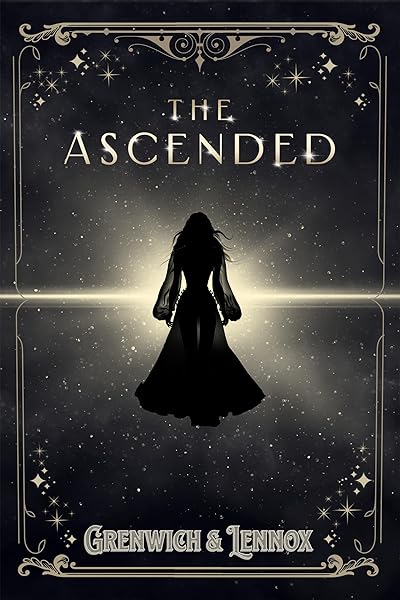
The Ascended (The Aesymarean Duet)

Eldritch (The Eating Woods)
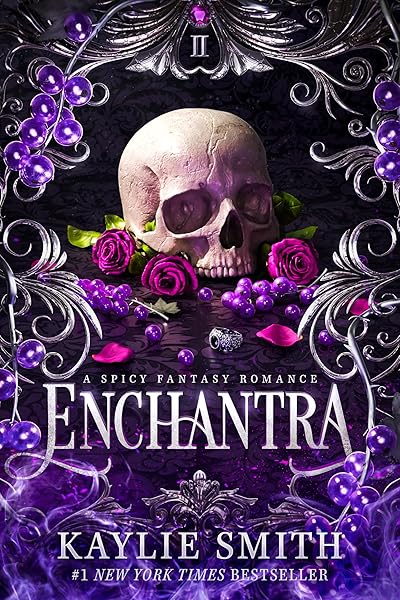
Enchantra: A spicy fantasy romance (Wicked Games Book 2)
The Power of Series: Building Reader Loyalty in Fantasy
One of the most defining characteristics of the fantasy book market in 2026 is the overwhelming preference for series over standalone novels. Readers in this genre often invest deeply in fictional worlds and characters, eager to follow their journeys across multiple books. Data indicates that series consistently outsell standalones by a margin of 3:1 in the fantasy genre, and often much higher for established authors.
For indie authors, this presents both a challenge and a massive opportunity. While writing a compelling series requires significant time and planning, it also fosters incredible reader loyalty and provides a sustainable income stream. Once a reader is hooked on your world, they are much more likely to purchase subsequent books, pre-order new releases, and become vocal advocates for your work. Planning a series from the outset, even if you only release one book at a time, is a strategic advantage.
Cover Design & Blurb Optimization: Your First Impression is Everything
In a crowded market, your book's cover and blurb are your most critical marketing tools. They are the gatekeepers, determining whether a potential reader clicks through to learn more. For fantasy, specific aesthetic trends dominate. Covers often feature intricate typography, evocative imagery of characters or landscapes, and a clear indication of the subgenre. For example, high fantasy often utilizes epic landscapes and heroic figures, while urban fantasy might feature more modern, gritty designs.
Your blurb needs to hook the reader immediately, conveying the core conflict, the protagonist's dilemma, and the unique elements of your world, all within 150-200 words. It's a sales pitch, not a summary. Test different blurbs, analyze click-through rates, and ensure your blurb delivers on the promise of your cover. Remember, a stunning cover can attract attention, but a compelling blurb closes the deal. Dive deeper into optimizing your book blurb for maximum impact.
Effective Fantasy Book Covers


The Role of World-Building and Character Depth in Fantasy Success
While marketing gets your book in front of readers, the quality of your writing keeps them there. In fantasy, exceptional world-building and deeply developed characters are non-negotiable. Readers expect immersive worlds with consistent magic systems, rich histories, and believable cultures. A poorly constructed world can quickly pull a reader out of the story, regardless of how strong the plot may be.
Similarly, characters need to be complex, relatable, and evolve throughout the narrative. Even in epic sagas, readers connect with the individual journeys of protagonists and antagonists. Invest time in outlining your world and character arcs. Consider how your world's rules impact your characters, and how your characters' choices shape the world. For insights into crafting compelling narratives, explore our resources on plot development.
Leveraging Analytics and Data for Informed Decisions
In the 2026 fantasy book market, data is your friend. Indie authors have access to a wealth of information through retailer dashboards (Amazon KDP, Kobo Writing Life, etc.) and third-party analytics tools. Monitor your sales trends, understand which advertising campaigns are performing best, and track reader reviews. This data provides invaluable feedback, allowing you to make informed decisions about your pricing, marketing, and even future writing projects.
Pay attention to keywords readers are using to find your books, and optimize your metadata accordingly. Analyze which cover designs resonate most with your target audience. By embracing a data-driven approach, you can continually refine your strategy and increase your chances of long-term success. Understanding the market is an ongoing process, not a one-time event.
Looking Ahead: What's Next for Fantasy in 2026 and Beyond?
The fantasy genre shows no signs of slowing down. We can anticipate continued innovation in storytelling, with authors pushing boundaries in terms of representation, narrative structures, and blending genres. The demand for diverse voices and perspectives within fantasy will likely grow, offering more opportunities for authors from underrepresented backgrounds.
Expect further integration of multimedia elements, such as interactive eBooks or enhanced audiobooks, though these will likely remain niche for some time. The community-driven aspect of fantasy readership will only strengthen, making author-reader engagement even more critical. For indie authors, the future of the fantasy book market in 2026 and beyond is bright, provided they remain adaptable, committed to quality, and strategic in their approach to publishing and marketing.
Emerging Fantasy Favorites 2026
On Wings of Blood: A Novel (Bloodwing Academy Book 1)
Rain of Shadows and Endings (The Legacy)
A Tongue so Sweet and Deadly (The Compelling Fates Saga)
Shield of Sparrows: An Enemies-to-Lovers Epic Romantasy
We Who Will Die: An Epic Romantasy of Forbidden Love, Deadly Secrets, and Vampires in a High-Stakes Arena, Discover a Vividly Reimagined Ancient Rome (Empire of Blood Book 1)
The Ascended (The Aesymarean Duet)
Explore Market Data by Genre
Browse real Amazon data for 40+ genres — prices, KU rates, tropes, and trends.
Open Market AnalysisRelated Articles
Explore the horror book market in 2026. Discover key trends, reader demographics, subgenre opportunities, and actionable strategies for indie authors to succeed.
Stop guessing which genre to write in. Use real data from 2,500+ bestsellers and Goodreads shelf counts to find a profitable book niche with high demand and manageable competition.
Navigate the thriller book market in 2026 with key trends, sales data, and actionable strategies for indie authors. Optimize your publishing for success.