
Horror Book Market 2026: Trends, Opportunities & Author Guide
Explore the horror book market in 2026. Discover key trends, reader demographics, subgenre opportunities, and actionable strategies for indie authors to succeed.
The Chilling Grip: Understanding the Horror Book Market in 2026
The horror genre has long held a captivating, if sometimes unsettling, place in the literary world. Far from being a niche interest, horror continues to evolve, drawing in new generations of readers while satisfying its dedicated fanbase. As we delve into the horror book market in 2026, it's crucial for independent authors to understand the dynamic landscape, identify emerging trends, and position their work for maximum impact. This analysis will equip you with data-driven insights and actionable strategies to navigate the thrilling world of horror publishing.
In 2025, the horror fiction market saw an estimated global revenue of $1.1 billion, projected to grow at a Compound Annual Growth Rate (CAGR) of 4.5% through 2030. This growth is fueled by a confluence of factors, including the genre's adaptability, its strong ties to other media (film, TV, video games), and a renewed interest in psychological depth and social commentary within its narratives. For indie authors, this presents a significant opportunity to carve out a unique space, provided they are attuned to reader expectations and market demands.
Reader Demographics: Who's Reading Horror in 2026?
Understanding your audience is paramount in any genre, and horror is no exception. While stereotypes often paint horror readers as a monolithic group, the reality in 2026 is far more diverse. Data from recent surveys indicates a surprising demographic shift and expansion.
Approximately 55% of horror readers are female, a trend that has steadily increased over the past decade, challenging traditional perceptions. The age bracket of 18-34 years old accounts for roughly 40% of horror consumption, driven by digital natives who are comfortable with online communities and diverse media formats. However, the 35-54 age group remains a strong segment, representing about 30% of readers. This suggests that while younger audiences are embracing horror, the genre retains its appeal across generations.
Geographically, English-speaking markets like the US, UK, Canada, and Australia continue to be major consumers, but there's a growing interest in horror fiction from non-English speaking territories, particularly in translated works. Indie authors should consider these demographics when crafting their stories, developing character perspectives, and planning their marketing efforts. For example, stories featuring strong female protagonists or exploring themes relevant to younger audiences may resonate more broadly.
Dominant Subgenres & Emerging Frights: What's Hot in Horror?
The horror genre is a rich tapestry of subgenres, each with its own dedicated following. In 2026, certain subgenres are showing particular strength, while others are beginning to emerge as significant trends. Independent authors can leverage this knowledge to inform their writing choices and target their marketing.
Psychological Horror continues its reign as a top-tier subgenre, with its focus on internal terror, unreliable narrators, and mind-bending plots. Readers are increasingly drawn to narratives that explore the fragility of the human psyche. Books like 'The Silent Patient' (though more thriller, it shares psychological elements) have paved the way for deeper, character-driven psychological scares. Similarly, Supernatural Horror, encompassing ghosts, demons, and curses, remains a perennial favorite, often intertwining with psychological elements for added depth. Authors exploring these areas should prioritize character development and intricate plotting.
Folk Horror has seen a resurgence, fueled by films like 'Midsommar' and 'The Wicker Man' (classic and remake). This subgenre, deeply rooted in local legends, rural isolation, and pagan rituals, offers a unique blend of dread and cultural exploration. Indie authors can find fertile ground here by researching local folklore or creating their own compelling mythologies.
An increasingly popular subgenre is Social Horror, which uses monstrous elements or terrifying situations to comment on societal issues like racism, classism, or environmental decay. Jordan Peele's films ('Get Out', 'Us') have brought this into mainstream consciousness, and readers are hungry for similar literary explorations. This subgenre allows for powerful storytelling with a deeper message. Finally, Cosmic Horror, inspired by Lovecraft but evolving beyond his problematic legacy, is seeing renewed interest. Authors are exploring existential dread and incomprehensible entities with a modern sensibility, often blending it with sci-fi elements to create truly unsettling narratives.
Popular Horror Subgenres

The First Witch of Boston: A Novel

On Wings of Blood: A Novel (Bloodwing Academy Book 1)

We Who Will Die: An Epic Romantasy of Forbidden Love, Deadly Secrets, and Vampires in a High-Stakes Arena, Discover a Vividly Reimagined Ancient Rome (Empire of Blood Book 1)
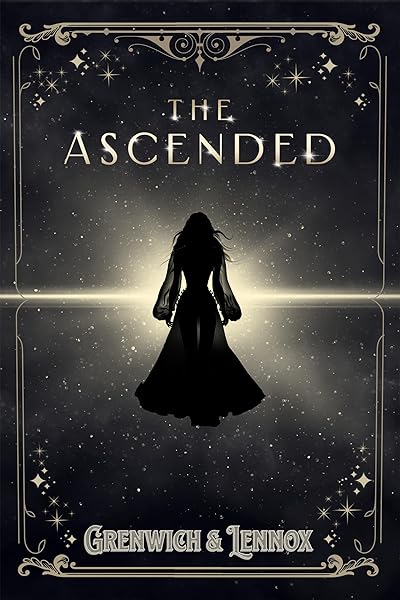
The Ascended (The Aesymarean Duet)

Eldritch (The Eating Woods)
Emerging Gothic & Folk Horror
The Dual-Language Storybook: Spanish and English Holiday Stories for Language Learning (Beginner to Intermediate) (Dual-language Storybooks Book 2)

Japanese Short Stories for Beginners: Learn with Tomoko Through 10 Fun Tales & Master Japanese Language and Culture the Natural Way (Learn Japanese with ... for Language and Culture Lovers Book 1)

A Hunger Artist

The Judgement

The Grand Inquisitor
The Rise of Short-Form Horror & Anthologies
While novels remain the bedrock of the publishing industry, the horror book market in 2026 is witnessing a significant surge in demand for short-form horror. This includes novellas, novelettes, and short story collections/anthologies. This trend is partly driven by reader consumption habits, with many seeking quick, impactful reads that fit into busy schedules. Furthermore, platforms like Kindle Unlimited have fostered an environment where shorter works can thrive, offering authors an excellent avenue for discovery.
For indie authors, this presents a fantastic opportunity. Novellas (typically 17,500 to 40,000 words) can be written and published more quickly than full-length novels, allowing for a more frequent release schedule and increased visibility. They also serve as excellent entry points for new readers to discover an author's style before committing to a longer work. Anthologies, whether curated by a single author or featuring multiple voices, offer variety and can expose readers to diverse styles and subgenres within horror. Consider collaborating with other indie horror authors for a joint anthology, leveraging each other's audiences.
Statistically, novellas in horror have shown a 15% higher completion rate on digital platforms compared to full-length novels, indicating strong reader engagement. This format also allows authors to experiment with different horror tropes and themes without the extensive commitment of a novel. Moreover, a well-crafted novella can be a powerful marketing tool, acting as a 'teaser' for upcoming longer works or as a standalone piece that builds an author's reputation.
Digital Dominance: Ebooks, Audiobooks, and Online Communities
The digital landscape continues to shape the horror book market in 2026. Ebooks and audiobooks are not just supplementary formats; they are integral to how a significant portion of horror readers consume content. For indie authors, embracing these formats is not optional; it's essential for reaching a wider audience.
Ebooks currently account for approximately 38% of horror fiction sales, a figure that continues to grow steadily. This is particularly true for independent authors, who often find a more level playing field in the digital sphere. Platforms like Amazon Kindle, Kobo, and Apple Books are crucial distribution channels. Optimizing your ebook for these platforms, including compelling cover design and a strong book blurb, is vital. Remember, a professional cover is your first handshake with a reader.
Audiobooks are experiencing explosive growth across all genres, and horror is no exception. They now represent about 22% of the horror market, with a projected growth rate of 20% annually through 2028. The immersive nature of audio, combined with skilled narration, makes horror particularly well-suited for this format. Investing in quality audiobook production can open up a significant new revenue stream and audience. Many indie authors are finding success with services like ACX, which connect authors with narrators.
Beyond formats, online communities are paramount. Reddit's r/horrorlit, Goodreads groups, Facebook horror reader groups, and dedicated horror blogs are hubs where readers discuss, recommend, and discover new books. Engaging with these communities authentically, without overt self-promotion, can build genuine connections and organically boost your visibility. Participating in discussions, offering insights, and being a visible member of the horror community can be more effective than traditional advertising in the long run.
Visual Appeal: The Critical Role of Cover Design in Horror
In a crowded market, a book's cover is its most powerful marketing tool. This holds especially true in the horror genre, where covers often need to evoke atmosphere, hint at the scares within, and grab attention instantaneously. For independent authors navigating the horror book market in 2026, investing in professional cover design is non-negotiable.
A recent study showed that 75% of horror readers admit that a book's cover is a primary factor in their purchasing decision, even more so than the blurb or author reputation for unknown authors. Effective horror covers utilize specific visual tropes and aesthetics that signal the subgenre to potential readers. For instance, gothic horror often features muted tones, ornate fonts, and desolate landscapes, while creature horror might showcase a monstrous silhouette or a menacing eye.
Consider the psychological impact of color. Dark blues, grays, and blacks are staples, but vibrant reds or unsettling yellows can be used strategically for accents or to convey a sense of unease. Typography also plays a crucial role; distressed fonts, sharp serifs, or minimalist sans-serifs can all communicate different facets of fear. Avoid generic stock photos if possible, or ensure they are heavily manipulated to avoid looking bland. A unique, professional cover not only attracts readers but also instills confidence in the quality of the writing inside. Browse popular horror titles in your subgenre to understand current trends, but also strive for something that stands out while still fitting reader expectations.
Striking Horror Book Covers
The First Witch of Boston: A Novel
On Wings of Blood: A Novel (Bloodwing Academy Book 1)
We Who Will Die: An Epic Romantasy of Forbidden Love, Deadly Secrets, and Vampires in a High-Stakes Arena, Discover a Vividly Reimagined Ancient Rome (Empire of Blood Book 1)
The Ascended (The Aesymarean Duet)
Eldritch (The Eating Woods)
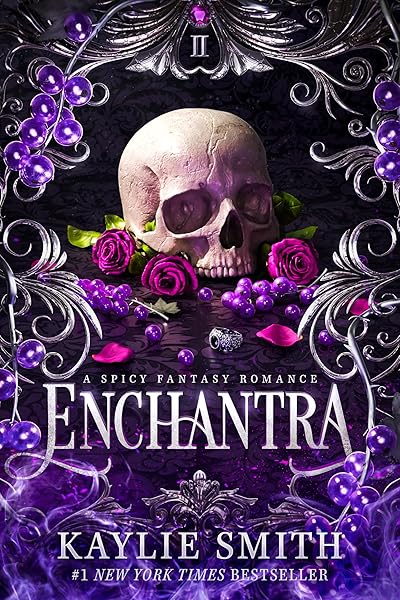
Enchantra: A spicy fantasy romance (Wicked Games Book 2)
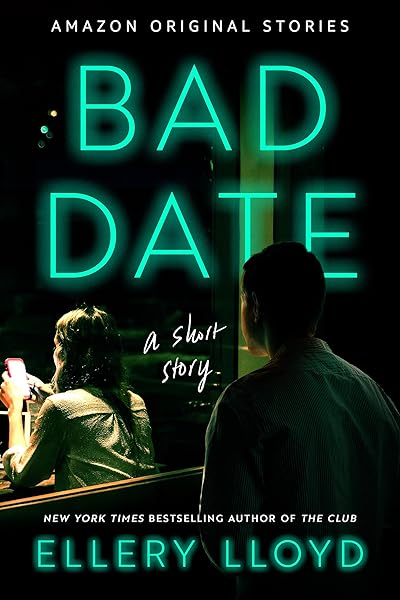
Bad Date: A Short Story

Eleven Numbers: A Short Story
Crafting Your Horror Narrative: Beyond the Jump Scare
While jump scares and overt gore have their place, the horror book market in 2026 demonstrates a clear preference for more sophisticated, character-driven narratives. Readers are seeking stories that resonate on a deeper level, exploring psychological torment, existential dread, and societal anxieties, rather than relying solely on cheap thrills. This shift demands a more nuanced approach to plot development and character arcs.
Focus on building palpable tension and atmosphere. Instead of immediately revealing the monster, allow the dread to slowly creep in, using descriptive language to immerse the reader in the setting and the characters' internal states. Strong character development is crucial; readers need to care about your characters for their terror to be truly effective. Explore their fears, their flaws, and their motivations. When a character feels real, their suffering becomes more impactful, and the horror more profound.
Consider incorporating elements of social commentary or exploring complex themes. Many of the most successful horror works of recent years have used the genre as a vehicle to discuss real-world issues, making the horror feel more relevant and disturbing. This doesn't mean every horror novel needs a grand message, but adding layers of meaning can elevate your work beyond simple scares. Experiment with different narrative structures; an unreliable narrator, for instance, can enhance psychological horror by blurring the lines between reality and delusion. Ultimately, a compelling horror narrative in 2026 is one that lingers in the reader's mind long after the final page.
Marketing Your Macabre Masterpiece: Strategies for Indie Authors
Even the most terrifying tale won't find its audience without effective marketing. For indie authors in the horror book market in 2026, a multi-faceted approach is key. Gone are the days when simply uploading your book was enough. You need to actively engage with your potential readers.
Build an Author Platform: This includes a professional website, an active presence on social media platforms where your target audience congregates (e.g., Instagram for visual content, TikTok for short-form videos), and an email list. An email list is arguably your most valuable asset, allowing you to directly communicate with your most engaged readers about new releases, promotions, and exclusive content. Offer a free short story or novella as a lead magnet to encourage sign-ups.
Leverage Paid Advertising: Platforms like Amazon Ads and Facebook Ads can be highly effective when used strategically. Target your ads based on genre, subgenre, author interests, and even specific book titles. Start with a small budget and scale up as you find what works. A/B test your ad copy and visuals to optimize performance. Understanding basic ad analytics is crucial for maximizing your return on investment.
Engage with Book Reviewers and Bloggers: Seek out horror book reviewers on Goodreads, BookBub, and independent blogs. Offer them free copies (ARCs – Advance Reader Copies) in exchange for honest reviews. Positive reviews are vital for social proof and discoverability. Be polite, professional, and understand that not every reviewer will be a good fit for your work.
Participate in Promotional Events: Look for horror-themed online book fairs, newsletter swaps with other horror authors, or participate in genre-specific promotions. These collaborative efforts can expose your book to new readers who are already primed for horror content. Remember, consistency is more important than intensity in marketing. A steady, ongoing effort will yield better results than sporadic bursts.
Looking Ahead: The Future of Fear in Publishing
The horror book market in 2026 is vibrant, adaptable, and full of potential for indie authors willing to put in the work. The genre will likely continue its trend of incorporating social commentary, exploring psychological depths, and blurring the lines with other genres like fantasy (e.g., dark fantasy), sci-fi, and even romance (e.g., dark romance). The demand for diverse voices and perspectives within horror is also growing, offering opportunities for authors from underrepresented backgrounds to share their unique fears and stories.
Technological advancements will continue to play a role, with interactive fiction and immersive digital experiences potentially shaping how horror is consumed. However, the core appeal of horror – confronting our deepest fears in a safe space – will remain unchanged. By staying informed about market trends, understanding your audience, crafting compelling narratives, and employing strategic marketing, independent horror authors can not only survive but thrive in this exciting and ever-evolving landscape.
Dear Pantser is committed to providing indie authors with the tools and insights needed to succeed. Keep an eye on our blog for more market analyses and genre-specific guides to help you navigate your publishing journey.
Explore Market Data by Genre
Browse real Amazon data for 40+ genres — prices, KU rates, tropes, and trends.
Open Market AnalysisRelated Articles
Explore the fantasy book market in 2026 with data-driven insights. Discover key trends, subgenre popularity, and actionable strategies for indie authors.
Stop guessing which genre to write in. Use real data from 2,500+ bestsellers and Goodreads shelf counts to find a profitable book niche with high demand and manageable competition.
Navigate the thriller book market in 2026 with key trends, sales data, and actionable strategies for indie authors. Optimize your publishing for success.