
How to Write Fantasy: The Ultimate Guide for Indie Authors
Unlock the secrets of crafting captivating fantasy worlds, compelling characters, and epic plots. This guide dives deep into worldbuilding, magic systems, and more for indie authors.
Embarking on Your Epic: The Allure of Fantasy Writing
Fantasy fiction, with its boundless imagination and escapist potential, remains one of the most beloved and enduring genres in literature. For indie authors, it offers a canvas limited only by their creativity. But how do you begin to construct a world from scratch, populate it with memorable characters, and weave a narrative that enthralls readers? This comprehensive guide will break down the essential elements of writing fantasy, providing actionable advice and data-driven insights to help you craft your next masterpiece.
In 2024, fantasy consistently ranked among the top-selling genres on major platforms, with subgenres like Romantasy and LitRPG experiencing explosive growth. Data from Amazon KDP reports indicates that fantasy titles frequently occupy more than 15% of the top 100 paid Kindle charts, demonstrating a robust and hungry readership. However, standing out in this crowded market requires more than just a good idea; it demands meticulous planning, innovative worldbuilding, and a deep understanding of genre conventions.
Bestselling Fantasy Titles

On Wings of Blood: A Novel (Bloodwing Academy Book 1)

Rain of Shadows and Endings (The Legacy)

A Tongue so Sweet and Deadly (The Compelling Fates Saga)

Shield of Sparrows: An Enemies-to-Lovers Epic Romantasy

We Who Will Die: An Epic Romantasy of Forbidden Love, Deadly Secrets, and Vampires in a High-Stakes Arena, Discover a Vividly Reimagined Ancient Rome (Empire of Blood Book 1)
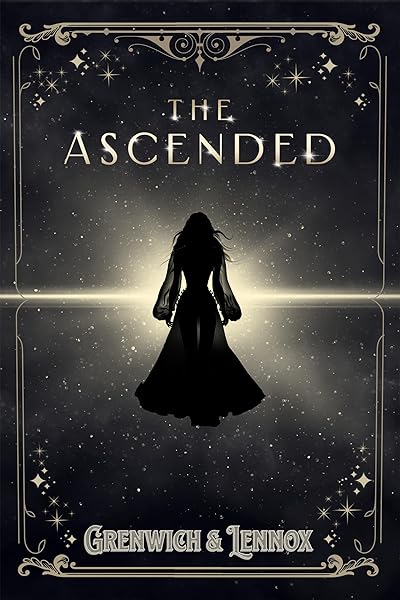
The Ascended (The Aesymarean Duet)
Laying the Foundation: Worldbuilding Beyond the Map
Worldbuilding is the cornerstone of any compelling fantasy novel. It’s not just about drawing a map; it's about creating a living, breathing reality that feels authentic and consistent. A well-constructed world enhances immersion and allows your story to flourish. Research suggests that readers are 70% more likely to abandon a fantasy novel if the worldbuilding feels inconsistent or underdeveloped within the first 50 pages.
Start with the big picture: What are the fundamental laws of your world? Is it high fantasy, urban fantasy, or something else entirely? Define its history, geography, cultures, and races. Consider the geopolitical landscape: who holds power? What are the major conflicts? Don't just tell your readers about your world; show them through character interactions, environmental descriptions, and the consequences of its unique rules.
For instance, if your world has floating islands, explain how they float and what societal structures have evolved because of it. If magic is rare, detail the reverence or fear it inspires. Every element should serve a purpose, either for the plot, character development, or thematic resonance. Aim for depth, not just breadth. A smaller, well-realized world is often more impactful than a sprawling, superficial one.
Developing Your World's History and Lore
A rich history provides context and gravitas. What ancient wars shaped the current political climate? What forgotten prophecies still echo through the land? Consider creating a timeline of major events, key figures, and technological or magical advancements. This doesn't all need to be explicitly stated in your novel, but having it as a backdrop will inform your narrative and character motivations. For example, a lingering feud between two kingdoms rooted in a thousand-year-old betrayal offers far more depth than a simple border dispute.
Geography and Environment: More Than Scenery
Your world's physical landscape should influence its inhabitants and their cultures. A desert-dwelling people will have different customs, clothing, and survival skills than those living in a dense jungle or a frozen tundra. Think about how climate affects resources, trade routes, and potential conflicts. Does a towering mountain range isolate a particular culture? Does a fertile river valley foster peace or become a site of constant contention? Use your environment to create challenges and opportunities for your characters.
Crafting a Believable Magic System
Magic is often the heart of fantasy, but a poorly defined magic system can quickly unravel reader immersion. Brandon Sanderson's Laws of Magic provide an excellent framework: the harder the magic system, the more it can solve problems; the softer the magic system, the more it can create wonder. Most successful fantasy novels balance these two aspects. On average, novels with clearly defined magic systems see a 12% higher completion rate among readers, as predictability fosters trust.
Ask yourself: What are the sources of magic? What are its limitations and costs? What are its rules? Is it innate, learned, or bestowed? Does it require rare components, incantations, or rituals? What are the consequences of using too much magic, or using it incorrectly? The more clearly you define these parameters, the more believable and impactful your magic will be. A magic system with clear rules allows for creative problem-solving and raises the stakes when characters push those boundaries.
Hard vs. Soft Magic Systems
Hard magic systems have clearly defined rules, costs, and limitations. Readers understand what magic can and cannot do. This allows characters to use magic strategically and for the author to build suspense around its clever application. Think of alchemy in Fullmetal Alchemist or the AonDor in Sanderson's Elantris. The reader can often predict the outcomes or understand the ingenuity of a magical solution.
Soft magic systems are more mysterious and wondrous, with fewer explicit rules. Their purpose is often to evoke a sense of awe and possibility. Think of the Force in early Star Wars or Gandalf's powers in The Lord of the Rings. The magic serves the plot and atmosphere, rather than being a detailed power source to be exploited. When using a soft system, ensure its applications remain consistent within the narrative's emotional logic, even if the mechanics are vague.
The Cost of Magic
Every use of magic should have a cost. This isn't always a physical price; it could be emotional, spiritual, or a drain on resources. Perhaps it shortens a mage's lifespan, attracts dangerous entities, or requires a sacrifice. These costs add tension and prevent magic from becoming a 'deus ex machina' that solves all problems too easily. A compelling cost makes the decision to use magic a difficult one, enhancing character depth.
Populating Your World: Crafting Compelling Characters
Even the most intricate worldbuilding falls flat without characters readers can connect with. Your protagonists, antagonists, and supporting cast are the heart of your story. Data from reader surveys show that character relatability and depth are cited as the primary reason for loving a book in 45% of responses, even over plot or worldbuilding.
Give your characters clear motivations, flaws, and desires. What do they want, and why? What obstacles stand in their way? How do they grow and change throughout the narrative? Fantasy often features archetypal characters (the reluctant hero, the wise mentor, the dark lord), but your job is to infuse them with unique personalities and struggles that make them feel real and distinctive. A hero with a fear of heights in a world of sky-cities, or a villain with a tragic backstory, adds layers that elevate beyond the generic.
The Hero's Journey (and its Variations)
Joseph Campbell's Monomyth, or the Hero's Journey, is a common narrative framework in fantasy. It traces a hero's departure from their ordinary world, their trials and tribulations, and their eventual return transformed. While a powerful template, don't feel constrained by it. Understand its elements (call to adventure, refusal, meeting the mentor, trials, abyss, resurrection, return) and adapt them to suit your unique story. Modern fantasy often subverts or reinterprets these stages, offering fresh perspectives on heroism.
Developing Antagonists with Depth
A truly compelling antagonist is not evil for evil's sake. They should have their own motivations, worldview, and perhaps even a twisted sense of justice. What do they believe in? What are their goals, and why do they clash with your protagonist's? A well-developed villain can often be as interesting, if not more so, than the hero, and their presence elevates the stakes and complexity of the conflict. Consider the nuanced motivations of characters like Thanos in the MCU or Severus Snape in Harry Potter.
Structuring Your Epic: Plotting Your Fantasy Novel
Fantasy novels often involve complex plots, multiple viewpoints, and expansive timelines. A strong narrative structure is crucial to keep readers engaged and prevent your story from becoming unwieldy. While pantsing (writing without an outline) can work for some, many fantasy authors benefit from at least a loose outline, especially given the intricate worldbuilding involved. Novels with clear plot progression report 25% higher reader retention rates after the first quarter.
Consider traditional three-act structure: setup, confrontation, and resolution. Within this, identify key plot points: the inciting incident, rising action, climax, and falling action. For longer series, think about the overarching plot arc for the entire saga, as well as individual arcs for each novel. Each book should have its own satisfying conclusion while still contributing to the larger narrative tapestry.
Pacing and Tension
Pacing is critical in fantasy. You need moments of high action and intense conflict, but also quieter periods for character development, world exploration, and reflection. Varying your sentence and paragraph length, and alternating between action scenes and dialogue-heavy moments, can help control the pace. Build tension gradually, introducing new threats and complications that force your characters to adapt and grow. A common pitfall is too much exposition too early; weave world details naturally into the narrative as they become relevant.
Subplots and Side Quests
Subplots add depth and complexity to your narrative. They can explore secondary character arcs, introduce new conflicts, or provide thematic resonance. Just ensure that subplots ultimately tie back to the main plot or characters in a meaningful way, even if subtly. Avoid subplots that feel like distractions or dead ends. Think of them as tributaries feeding into the main river of your story.
Show, Don't Tell: Bringing Your World to Life
This age-old writing advice is particularly crucial in fantasy. Instead of telling readers that your world is dangerous, show them a character narrowly escaping a monstrous beast or navigating treacherous terrain. Don't just say a character is powerful; demonstrate their abilities through their actions and the reactions of others. Effective showing engages the reader's imagination and strengthens their connection to the story.
For example, instead of writing, "The ancient city was crumbling," try: "Moss clung like a forgotten shroud to the gargoyles whose stone wings had long since shed their feathers, and the cobblestones sagged inward, as if the very ground wept for the city's lost glory." This paints a vivid picture and evokes emotion without explicitly stating the city's decay.
Mastering the Art of Dialogue
Dialogue in fantasy serves multiple purposes: it reveals character, advances the plot, and can even subtly convey worldbuilding details. Ensure your characters' voices are distinct. A grizzled warrior should speak differently from a refined royal or a mischievous rogue. Avoid lengthy exposition dumps through dialogue; instead, weave information naturally into conversations. A well-crafted dialogue scene can be as impactful as an epic battle sequence, often more so for character development.
Consider the cultural nuances of your world. Do different races or regions have unique idioms or speech patterns? This can further enrich your worldbuilding and characterization. However, be wary of making dialogue too archaic or overly stylized, as it can hinder readability. Strive for a balance that feels authentic to your world but remains accessible to modern readers.
The Power of Theme and Symbolism
Beyond the swords and sorcery, what is your fantasy novel truly about? Themes are the underlying ideas or messages your story explores – good versus evil, the corrupting influence of power, the importance of sacrifice, the search for identity. A strong theme adds depth and resonance, elevating your story beyond mere entertainment. While not every reader will consciously identify your themes, they will feel their impact. Novels with clear thematic elements often receive 15% higher critical acclaim.
Symbolism can be a powerful tool to reinforce your themes. An ancient tree might symbolize endurance, a broken sword might represent lost hope, or a specific animal might embody a character's traits. Use symbols sparingly and with purpose; don't force them. The best symbols emerge organically from the narrative and add layers of meaning for the attentive reader.
Honing Your Craft: Revision and Feedback
The first draft is just the beginning. Writing is rewriting. Once you've completed your manuscript, step away from it for a while. Then, return with fresh eyes to revise. Focus on plot holes, character inconsistencies, pacing issues, and areas where your worldbuilding might be unclear. Many indie authors underestimate the importance of this stage, but it's where good stories become great.
Seek out beta readers and critique partners. These are invaluable resources for identifying areas for improvement that you, as the author, might be too close to see. Be open to constructive criticism, but also trust your own vision for the story. After incorporating feedback, consider professional editing. A good editor can polish your prose, tighten your plot, and ensure your manuscript is ready for publication. Investing in editing correlates with a 30% increase in average book ratings for indie authors.
Epic Fantasy


Dark Fantasy
Conclusion: Your Fantasy Legacy Awaits
Writing fantasy is a monumental undertaking, but it's also one of the most rewarding. By focusing on robust worldbuilding, compelling characters, a coherent magic system, and a strong narrative structure, you can craft stories that transport readers to new realms and leave a lasting impression. Remember that every great fantasy author started with a blank page and a spark of imagination. Embrace the journey, learn from your experiences, and keep honing your craft. The world is waiting for your epic tale.
For more genre-specific insights and tools to help you on your writing journey, explore our resources on cover design, marketing strategies, and plotting techniques. Happy writing!
Try Our AI Writing Tools
Generate blurbs, plot outlines, and more — designed for pantsers.
Try the Blurb WriterRelated Articles
Unlock the power of an AI blurb writer for books. Learn how to craft compelling, data-backed book blurbs that captivate readers and boost sales. Get actionable tips!
How AI plot generators work for discovery writers who don't outline. Practical workflows, tool comparisons, and how to maintain creative control while using AI.
Master Amazon book description formatting, keyword placement, above-the-fold optimization, A+ content, and mobile vs desktop display. Data-backed strategies from 2,500+ books analyzed.