
How to Write Mystery: The Complete Guide for 2026 Authors
Unlock the secrets of writing compelling mystery novels. Learn plot structure, character development, red herrings, and pacing for a page-turning read.
The Enduring Allure of Mystery: Why Readers Can't Get Enough
Mystery novels have captivated readers for centuries, offering an intoxicating blend of intellectual challenge, emotional intrigue, and the satisfying unraveling of a complex puzzle. From the gaslit streets of Victorian London to the high-tech crime labs of the 21st century, the core appeal remains the same: the human desire to understand, to solve, and to witness justice, or its absence, unfold. As an indie author, tapping into this timeless genre can open doors to a dedicated and voracious readership.
In 2025-2026, the mystery genre continues to dominate bestseller lists and independent publishing platforms alike. Data from major retailers consistently shows mystery, thriller, and suspense categories as top performers, often accounting for over 20% of all fiction sales. This enduring popularity isn't just about the 'whodunit' but the 'howdunit' and 'whydunit' that authors masterfully weave into their narratives. Understanding what makes a mystery tick is the first step toward crafting your own successful contribution.
This comprehensive guide will break down the essential components of how to write mystery, from initial concept to the final, satisfying reveal. We'll explore plot structures, character archetypes, the art of misdirection, and the crucial elements that keep readers turning pages long into the night. Prepare to unlock the secrets of this beloved genre and write a mystery that stands out.
Understanding the Core Elements of a Mystery Novel
Before diving into the intricate plotting, it's crucial to grasp the foundational pillars upon which every successful mystery is built. These aren't just suggestions; they are the genre's DNA, expected by readers and essential for delivering a satisfying experience. Neglecting any of these can lead to a mystery that feels incomplete or unsatisfying.
1. The Crime: At the heart of every mystery lies a transgression, typically a serious one like murder, kidnapping, or a major theft. This crime serves as the inciting incident, shattering the ordinary world and setting the detective's investigation in motion. The nature of the crime often dictates the tone and scope of the mystery. For example, a brutal murder might lean towards thriller or dark fantasy elements, while a stolen heirloom could fit a cozy mystery.
2. The Detective: Whether professional (police, private investigator) or amateur (a curious neighbor, a retired professor), the detective is the reader's guide through the labyrinth of clues and suspects. Their unique perspective, skills, and often their personal flaws, are central to the narrative. They are the protagonist whose intellect and determination drive the search for truth.
3. The Clues: These are the breadcrumbs left by the perpetrator or uncovered by the detective. Clues can be physical objects, witness testimonies, alibis, forensic evidence, or even psychological profiles. They must be present, discoverable, and ultimately lead the detective (and the reader) to the solution. The art of scattering clues effectively is a cornerstone of how to write mystery.
4. The Suspects: A good mystery needs a compelling cast of characters who could plausibly be the culprit. Each suspect should have a motive, opportunity, and ideally, a secret or two that makes them appear guilty at various points. They add layers of intrigue and misdirection.
5. The Red Herrings: These are false leads or misleading clues designed to divert the reader's attention from the true culprit. Red herrings are vital for maintaining suspense and ensuring the solution isn't too obvious. They should be convincing enough to fool the reader temporarily but ultimately be explainable or debunked.
6. The Solution/Reveal: The climax of the mystery, where the detective unmasks the perpetrator and explains how they committed the crime, why, and how the clues pointed to them. This reveal must be logical, satisfying, and based on the clues presented throughout the story. It should feel earned, not come out of left field.
Classic Mystery Novels


Crafting a Compelling Detective: Your Reader's Guide
The detective is often the most memorable element of a mystery. Readers return to series not just for the puzzles, but for the characters who solve them. A well-developed detective is relatable, intelligent, and possesses unique quirks that make them stand out. When learning how to write mystery, prioritize your detective's depth.
Professional vs. Amateur Detectives:
- Professional Detectives: These characters, like police officers, private investigators, or FBI agents, come with built-in authority and access to resources. Their investigations often follow established procedures, but their personal lives and internal conflicts can add significant depth. Consider their rank, their relationship with their colleagues, and how their job affects their personal life.
- Amateur Detectives: These characters, often found in cozy mysteries, stumble upon crimes or are drawn into them through personal connections. Their lack of official authority creates unique challenges and opportunities for creative problem-solving. Their profession (baker, librarian, gardener) can provide interesting settings and character interactions.
Key Character Traits:
- Intelligence & Observation: Your detective must be sharp, capable of noticing details others miss, and making logical deductions. However, they don't have to be infallible; occasional missteps can make them more human.
- Motivation: Why does your detective solve crimes? Is it a sense of justice, a personal vendetta, intellectual curiosity, or even a financial necessity? This motivation should drive their actions.
- Flaws & Vulnerabilities: No one is perfect. Give your detective weaknesses, past traumas, or personal struggles. These make them relatable and create opportunities for character growth. Perhaps they're a recovering alcoholic, have a strained relationship with family, or deal with chronic pain.
- Unique Quirks: A distinctive habit, a peculiar hobby, or an unusual way of thinking can make a detective memorable. Think of Sherlock Holmes's violin, Hercule Poirot's meticulousness, or Jessica Fletcher's knack for finding murder wherever she goes.
- Moral Compass: What are your detective's ethics? Are they willing to bend rules for justice, or do they adhere strictly to the law? This can lead to internal and external conflicts.
According to a 2024 survey of mystery readers, 78% stated that a compelling protagonist was the primary reason they continued a series, even over intricate plotting. Invest time in developing a detective your readers will root for and want to spend time with.
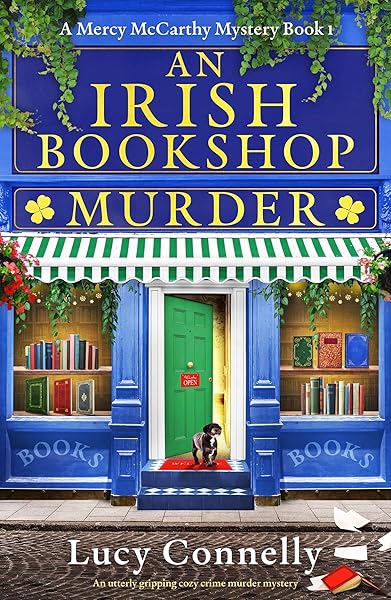
Cozy Mystery Detectives




Plotting Your Mystery: Structure and Pacing
A well-structured plot is the backbone of any successful mystery. While there's room for variation, most mysteries follow a recognizable pattern that builds suspense and leads to a satisfying resolution. Understanding these beats is crucial for how to write mystery effectively. We often recommend a 3-act structure, adapted for the genre's specific needs.
Act I: The Inciting Incident and Investigation Begins
1. The Ordinary World & Introduction (5-10%): Introduce your detective and their normal life. Establish the setting and key supporting characters. Hint at any personal struggles or backstories that will become relevant later.
2. The Inciting Incident (10-15%): The crime occurs, disrupting the ordinary world. This is the moment the mystery begins. The crime should be impactful and raise immediate questions. For example, a body found in a seemingly peaceful village, or a priceless artifact stolen from an impenetrable vault.
3. Initial Investigation & Raising Questions (15-25%): Your detective arrives on the scene. They gather initial evidence, interview first witnesses, and identify early suspects. This phase is about establishing the puzzle pieces and raising the central 'whodunit' question. Introduce the initial set of clues and potential red herrings. This is where the tension begins to build.
Act II: Rising Action, Complications, and Deepening the Mystery
1. Expanding Suspect Pool & New Clues (25-40%): The investigation deepens. New suspects emerge, each with plausible motives and opportunities. The detective uncovers more clues, some of which might contradict earlier findings, adding to the complexity. This is an excellent place to introduce significant red herrings.
2. Obstacles & Setbacks (40-55%): The detective faces challenges. They might hit a dead end, a key witness could disappear, or they might be personally targeted. These obstacles raise the stakes and test the detective's resolve. This is where you can explore the personal cost of the investigation on your detective. Perhaps they make a crucial mistake, leading to a false accusation or another crime.
3. The Midpoint Revelation/Twist (55-65%): A significant discovery or plot twist changes the direction of the investigation. This isn't the final answer but a revelation that reframes previous clues or eliminates a major suspect, propelling the narrative forward with renewed urgency. This could be the discovery of a hidden motive, a secret relationship, or a crucial piece of overlooked evidence.
4. Heightened Stakes & False Solutions (65-75%): As the detective closes in, the danger often intensifies. They might face direct threats. They may believe they've solved the case, only to find their theory debunked, leading to a moment of despair or renewed determination. This keeps the reader guessing and prevents the solution from being too obvious.
Act III: Climax and Resolution
1. The Breakthrough (75-85%): The detective connects the final dots. A critical piece of evidence is found, a crucial witness comes forward, or a flash of insight reveals the truth. All the scattered clues begin to fall into place, leading directly to the perpetrator.
2. The Confrontation & Climax (85-95%): The detective confronts the killer. This can be a tense interview, a chase, or a dramatic reveal where the detective lays out all the evidence. The perpetrator's motive and method are fully explained. This is the payoff for all the build-up.
3. Resolution & Aftermath (95-100%): The case is closed. Loose ends are tied up, and justice is served (or not). The detective reflects on the case and its impact. This allows for character growth and a sense of closure for the reader. Ensure all significant questions are answered, and the solution feels logical and earned.
Pacing is key. Vary your scene lengths, alternate between action and introspection, and use cliffhangers at chapter breaks to maintain momentum. A good mystery often has a rising crescendo of tension, punctuated by moments of calm for reflection.
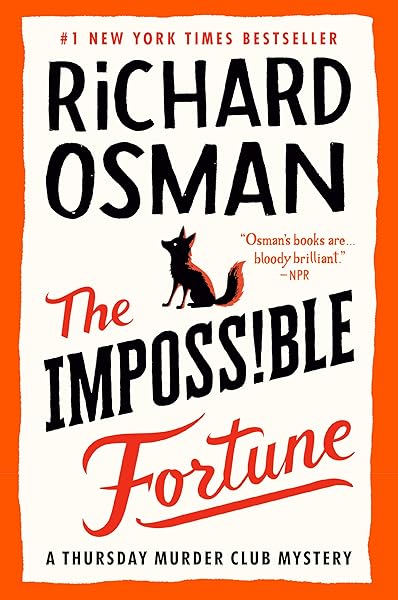
Tightly Plotted Thrillers

The Art of Misdirection: Crafting Clues and Red Herrings
One of the most enjoyable aspects of how to write mystery is the intricate dance of clues and misdirection. Your goal is to lead the reader down plausible but ultimately incorrect paths, making the final reveal even more satisfying. This requires careful planning and a deep understanding of human psychology.
Crafting Effective Clues:
1. Integration: Clues shouldn't feel like they're dropped in. They should be organically woven into the narrative, sometimes appearing insignificant at first. A seemingly random comment, a forgotten object, or a peculiar habit can all be clues.
2. Variety: Don't rely solely on physical evidence. Clues can be psychological (a suspect's unusual reaction), circumstantial (a witness seeing someone near the scene), or even linguistic (a unique turn of phrase in a letter). A mix keeps the investigation dynamic.
3. Accessibility (with caveats): The reader should have access to the same information as the detective, even if they don't immediately recognize its significance. The 'fair play' rule in mystery writing suggests that all necessary clues for solving the crime should be presented to the reader, allowing them to try and solve it alongside the detective. However, the detective's superior intellect and ability to synthesize information is what makes them special.
4. Layering: Some clues might point to one suspect, while others point to another. The true culprit's clues might be subtle, only making sense in retrospect. This layering adds depth and complexity.
Mastering Red Herrings:
Red herrings are not just random distractions; they are carefully constructed elements designed to mislead. A poorly executed red herring can frustrate readers, but a well-placed one elevates the mystery.
1. Plausible Motives: Give your false suspects compelling reasons to have committed the crime. Perhaps they had a long-standing feud with the victim, stood to gain financially, or were simply in the wrong place at the wrong time with a suspicious attitude.
2. Incriminating Circumstances: Surround your red herring suspects with suspicious circumstances. They might lie about their whereabouts, hide a secret that's unrelated to the crime but makes them look guilty, or possess a piece of evidence that seems to point directly to them.
3. Character Flaws: Leverage character flaws to make suspects seem more guilty. A naturally secretive person might avoid answering questions, making them seem like they're hiding something more sinister. A hot-tempered character might have had a public argument with the victim.
4. Misleading Connections: Create connections between suspects and the victim that appear to be motive-driven but are ultimately innocent. For example, a character might have been at the crime scene not to commit the murder, but to recover a personal item they'd dropped earlier, or to meet someone unrelated to the crime.
5. The 'Almost' Solution: At points, let the reader (and perhaps the detective) believe they've found the killer, only to introduce new evidence that definitively clears them or points elsewhere. This keeps the reader on their toes.
A study by the Mystery Writers of America found that the average successful mystery novel contains 5-7 significant red herrings that are convincingly woven into the plot. The key is to make them compelling enough to be believable but ultimately solvable by the detective, often through a detail the reader might have overlooked.
Developing Your Suspects: Beyond the Obvious
A strong cast of suspects is critical to a compelling mystery. Each suspect shouldn't just be a placeholder; they should be fully realized characters with their own lives, secrets, and reasons for being involved. When learning how to write mystery, remember that the depth of your secondary characters can make or break the story.
Creating Diverse and Plausible Suspects:
1. Motive, Opportunity, Means: For each potential suspect, ask yourself:
- Motive: Why would they want the victim dead (or affected by the crime)? This could be revenge, greed, fear, love, jealousy, or protecting a secret.
- Opportunity: Could they have committed the crime? Where were they at the time? Do they have an alibi, and is it airtight?
- Means: Did they have the ability to commit the crime? Did they possess the weapon, the knowledge, or the physical capability?
2. Backstories and Secrets: Give each suspect a life beyond their connection to the victim. What are their personal struggles, their hopes, their fears? What secrets are they hiding that might make them appear guilty, even if those secrets are unrelated to the crime? These secrets are excellent sources for red herrings.
3. Varying Relationships to the Victim: Don't make all suspects have the same relationship with the victim. You could have a disgruntled business partner, a jilted lover, a resentful family member, a jealous competitor, or even a complete stranger with a surprising connection. This variety keeps the investigation fresh.
4. Character Arcs (Even Minor Ones): While the main arc belongs to your detective, even minor suspects can undergo slight changes. Perhaps being investigated forces them to confront a personal truth, or their secret is uncovered, leading to a new path. This adds realism and depth.
5. The 'Least Likely' Suspect: Often, the most satisfying reveal is when the killer is someone who seemed completely innocent or even helpful throughout the story. This requires careful planting of subtle clues and brilliant misdirection. Consider the archetypes: the kindly old neighbor, the seemingly harmless assistant, the friend who offers constant support.
According to publishing data from 2023-2025, mystery novels featuring 4-7 well-developed suspects (excluding the true killer) consistently received higher reader ratings for complexity and satisfaction. Avoid having too many suspects, which can overwhelm the reader, or too few, which makes the solution obvious.
Mysteries with Strong Character Casts
Setting the Scene: Atmosphere and World-Building
The setting of your mystery is more than just a backdrop; it's an active participant in the story, influencing the mood, providing clues, and even shaping the characters. Whether it's a sprawling metropolis or a secluded village, the atmosphere you create can significantly enhance the reader's experience. This is a vital aspect of how to write mystery that resonates.
Leveraging Your Setting:
1. Mood and Tone: A rainy, fog-shrouded London street evokes a different feeling than a sun-drenched Californian beach. Choose a setting that complements the tone of your mystery. A gothic mansion lends itself to suspense and psychological twists, while a bustling city might be perfect for a fast-paced police procedural.
2. Source of Clues: The environment itself can provide clues. A unique plant found at a crime scene, a specific type of soil, the sound of a distant train, or the local gossip in a small town can all be integral to the investigation. Think about how the local geography, weather, and landmarks can play a role.
3. Obstacles and Opportunities: The setting can create challenges for your detective (e.g., a blizzard isolating potential witnesses, a labyrinthine urban area making pursuit difficult) or provide opportunities (e.g., a close-knit community where everyone knows everyone's business, an archive full of historical records). Consider how the physical space limits or expands the possibilities for both the crime and its solution.
4. Character Interaction: How do your characters interact with their environment? Does the detective hate the city life they're forced to endure? Does a suspect's home reflect their personality and secrets? These details add depth and realism.
5. Specificity: Don't just say 'a house.' Describe 'a decaying Victorian mansion with peeling paint and overgrown ivy,' or 'a minimalist, glass-and-steel penthouse overlooking the city.' Specific details immerse the reader. Even if your setting is fictional, give it a sense of history and unique characteristics.
6. World-Building for Subgenres: If you're writing a fantasy mystery or sci-fi mystery, the world-building becomes even more crucial. How do the rules of magic or advanced technology affect crime and investigation? What unique clues or forensic methods exist in this world? Integrate these elements seamlessly.
A recent analysis of top-selling mystery novels revealed that those with a strong, distinctive sense of place consistently outperformed those with generic settings, often by as much as 18% in sales. Readers appreciate being transported, and a well-realized setting is key to that experience.
Gothic Mystery Atmosphere

The Dual-Language Storybook: Spanish and English Holiday Stories for Language Learning (Beginner to Intermediate) (Dual-language Storybooks Book 2)

Japanese Short Stories for Beginners: Learn with Tomoko Through 10 Fun Tales & Master Japanese Language and Culture the Natural Way (Learn Japanese with ... for Language and Culture Lovers Book 1)

A Hunger Artist


Writing the Climax and a Satisfying Reveal
The climax is where all the threads of your mystery come together. It's the moment of truth, where the detective unmasks the killer and explains the 'whodunit,' 'howdunit,' and 'whydunit.' A botched climax can undo all the good work of the preceding chapters. This is the ultimate test of your ability to how to write mystery.
Elements of a Powerful Climax:
1. The Breakthrough: This is the final piece of the puzzle that allows the detective to understand the full picture. It might be a small detail, a sudden realization, or a critical piece of evidence that was previously misinterpreted. This moment should feel earned and logical, not arbitrary.
2. The Confrontation: The detective directly confronts the perpetrator. This can take many forms: a dramatic monologue where the detective lays out the case, a tense physical struggle, a psychological battle of wits, or a public accusation. The stakes should be high, and the confrontation should be emotionally charged.
3. The Explanation: The detective must clearly and concisely explain how the crime was committed, who did it, and why. They should walk the reader through the evidence, showing how each clue (including those that were red herrings) ultimately points to the true culprit. This is where the 'fair play' aspect of mystery writing truly shines – all the pieces should have been there, even if the reader didn't connect them.
4. The Motive: The killer's motive must be believable and understandable, even if it's twisted. A weak motive can undermine the entire story. It connects the crime to the perpetrator's character and backstory, providing a sense of psychological closure.
5. Emotional Impact: Beyond the intellectual puzzle, the climax should have emotional resonance. What is the impact of the reveal on the detective, the victims' families, and even the killer? There should be a sense of justice, even if it's a bittersweet one.
Avoiding Common Pitfalls:
- Deus Ex Machina: The solution should not come from an outside, previously unmentioned source. All necessary clues must have been presented to the reader.
- Unearned Revelations: The detective shouldn't suddenly have a flash of genius based on no prior evidence. Their deductions must be grounded in the investigation.
- Boring Explanation: While the explanation needs to be thorough, it shouldn't be a dry lecture. Integrate it with the confrontation, allowing for dramatic tension.
- Lack of Consequences: The crime and its resolution must have consequences. What happens to the killer? What is the impact on the community or the detective?
Surveys indicate that 9 out of 10 mystery readers rate a satisfying and logical climax as the most important factor in their overall enjoyment of a mystery novel. Dedicate significant time to outlining and refining this crucial section of your book.
Refining Your Manuscript: Editing, Feedback, and Polish
Even the most brilliantly plotted mystery can fall flat without meticulous refinement. The editing stage is where your raw ideas transform into a polished, page-turning novel. This final step is just as crucial as the initial plotting when considering how to write mystery effectively.
Self-Editing for Mystery-Specific Elements:
- Clue Placement: Go through your manuscript specifically looking at clues. Are they present? Are they subtle enough not to be obvious but clear enough to be fair? Are they too obvious?
- Red Herring Effectiveness: Evaluate your red herrings. Do they genuinely mislead without frustrating the reader? Is there a logical reason why they are ultimately debunked?
- Pacing and Tension: Does the tension build steadily? Are there moments of respite followed by renewed urgency? Are your chapter endings compelling enough to make readers continue?
- Detective's Arc: Does your detective grow or change through the course of the investigation? Is their motivation clear, and are their actions consistent with their character?
- Suspect Consistency: Are your suspects' motives, alibis, and behaviors consistent throughout the story? Do they have enough depth to be believable?
- Fair Play: Reread specifically to ensure that all crucial information needed to solve the mystery was available to the reader, even if they missed it.
The Power of Beta Readers and Critique Partners:
After your self-edit, the next vital step is to get fresh eyes on your manuscript. Beta readers and critique partners, especially those who enjoy the mystery genre, can provide invaluable feedback:
- Identifying Plot Holes: They can spot inconsistencies or illogical leaps in your plot that you, as the author, might be blind to.
- Testing Red Herrings: Did your red herrings work? Did they fool the reader, or were they too easily dismissed?
- Clarity of Clues: Were the clues clear enough for them to follow, or too obscure?
- Pacing Feedback: Did the story drag at any point? Were there moments where tension dropped too much?
- Character Engagement: Did they connect with your detective? Were the suspects compelling?
Engaging with a diverse group of beta readers (5-10 is often recommended) can provide a comprehensive view of your manuscript's strengths and weaknesses. A 2024 survey of indie authors found that those who utilized beta readers saw a 25% increase in positive reviews compared to those who did not.
Professional Editing:
Finally, consider investing in professional editing. A good editor can polish your prose, tighten your plot, and catch errors you've missed. There are various types of editing (developmental, copyediting, proofreading), each serving a different purpose in refining your manuscript into a publishable work. For mystery, a developmental editor can be particularly helpful in ensuring the plot mechanics, clue delivery, and reveal are perfectly executed.
Try Our AI Writing Tools
Generate blurbs, plot outlines, and more — designed for pantsers.
Try the Blurb WriterRelated Articles
Unlock the power of an AI blurb writer for books. Learn how to craft compelling, data-backed book blurbs that captivate readers and boost sales. Get actionable tips!
How AI plot generators work for discovery writers who don't outline. Practical workflows, tool comparisons, and how to maintain creative control while using AI.
Master Amazon book description formatting, keyword placement, above-the-fold optimization, A+ content, and mobile vs desktop display. Data-backed strategies from 2,500+ books analyzed.