
How to Write Romance: Complete Guide (2026)
Unlock the secrets to writing captivating romance novels. This 2026 guide covers tropes, character arcs, plotting, and market insights for aspiring romance authors.
The Enduring Power of Love: Why Romance Dominates the Market
Romance fiction isn't just a genre; it's a publishing powerhouse. Year after year, it consistently accounts for the largest share of the fiction market, often exceeding 50% of all fiction sales. In 2024, the romance market alone was valued at over $1.5 billion, with projections showing continued growth. This enduring popularity isn't accidental; readers seek connection, emotional catharsis, and the promise of a satisfying ending. Understanding this fundamental reader expectation is the first step in learning how to write romance that resonates.
But what exactly defines a romance novel, and how do you craft one that stands out in a crowded market? This guide will break down the essential elements, from character development to plot structure, market trends, and the nuances that make a love story truly unforgettable. Whether you're a seasoned author looking to refine your craft or a newcomer eager to dive into this vibrant genre, mastering these principles is crucial. Let's explore the landscape of modern romance.
Defining Romance: The Core Elements
Before you even begin plotting, it's vital to grasp the two non-negotiable pillars of the romance genre. Firstly, the central focus of the story must be the developing romantic relationship between two (or sometimes more) protagonists. Every plot point, every character decision, and every conflict should directly or indirectly serve to push this relationship forward or challenge its progression. Secondly, and perhaps most importantly for reader satisfaction, a romance novel must have an "emotionally satisfying and optimistic ending." This is often abbreviated as HEA (Happily Ever After) or HFN (Happy For Now).
These two rules are sacrosanct. Deviate from them, and you might be writing romantic suspense, women's fiction with romantic elements, or general fiction, but not a true romance novel. Understanding this foundational contract with the reader is crucial for setting expectations and delivering a fulfilling experience. The journey to the HEA/HFN is where the magic happens, filled with tension, vulnerability, and growth.
Crafting Compelling Characters: The Heart of Your Romance
Readers fall in love with characters before they fall in love with plots. Your protagonists must be three-dimensional, relatable, and possess a compelling internal journey. Start by developing detailed backstories, including their past traumas, triumphs, and defining moments. What are their core beliefs? What fears hold them back? What do they desperately want, and what do they truly need?
A common mistake is making characters too perfect. Flaws are essential for relatability and provide fertile ground for conflict and growth. Consider their "fatal flaw" or a deep-seated insecurity that prevents them from achieving their romantic goals until they overcome it. For instance, a character might be fiercely independent due to past betrayal, making it hard for them to trust their love interest. This internal conflict is what drives much of the emotional arc.
Internal vs. External Arcs
Every compelling romance character should undergo significant internal transformation. The internal arc is often about overcoming a personal obstacle, learning to trust, or accepting love. The external arc, on the other hand, involves the events and obstacles that happen in the 'real world' and affect the characters. While the external plot provides the vehicle, the internal journey of growth and vulnerability is what truly hooks romance readers. Ensure your characters' internal and external arcs are intertwined, each influencing the other as they navigate their relationship.
The Power of Chemistry
Chemistry isn't just about physical attraction; it's about intellectual, emotional, and even spiritual connection. How do your characters challenge each other? How do they make each other better? Show, don't just tell, their chemistry through witty banter, shared vulnerabilities, and moments of profound understanding. This intangible spark is what makes readers root for them.
Essential Romance Tropes and How to Use Them
Tropes are not clichés; they are recognizable narrative patterns that readers love. They provide a framework of expectation, allowing authors to play with conventions and deliver fresh takes. Data from platforms like Goodreads and Amazon show that books leveraging popular tropes often see higher engagement and sales, especially when combined with unique character voices or plot twists. Understanding these patterns is key to how to write romance that appeals to a broad audience.
For example, the "Enemies to Lovers" trope consistently ranks among the top performers, with countless successful titles. Other popular choices include "Friends to Lovers," "Fake Relationship," "Grumpy/Sunshine," and "Forced Proximity." When choosing a trope, think about how it naturally creates conflict and opportunities for your characters to grow together. Don't just copy; innovate within the framework.
Popular Romance Tropes in Action


Plotting Your Love Story: Structure and Pacing
While every story is unique, romance novels often follow a familiar, satisfying structure. This structure isn't a cage; it's a roadmap that ensures your story builds tension, delivers emotional payoffs, and ultimately leads to that coveted HEA/HFN. A common framework involves a clear beginning, a rising action filled with romantic tension and plot complications, a moment of crisis, and a resolution.
Consider the "meet-cute" – the initial encounter between your protagonists. This sets the tone for their relationship. Then, introduce the "inciting incident" that forces them together or makes them aware of their mutual attraction. The "rising action" is where the bulk of the story happens, filled with dates, conversations, misunderstandings, and escalating intimacy. Pacing is crucial here; too fast, and the relationship feels unearned; too slow, and readers lose interest. Aim for a rhythm that allows the emotional connection to develop organically.
The Midpoint Shift
Around the 50% mark, many romance novels experience a significant shift. The characters might fully acknowledge their feelings, or a major external event could deepen their bond. This midpoint often serves as a point of no return, solidifying their connection before the inevitable challenges arise.
The Black Moment (All Is Lost)
Just before the climax, introduce a "black moment" or "all is lost" point. This is the darkest hour for your couple, where their relationship seems doomed, and the HEA feels impossible. This moment of despair is critical for heightening emotional stakes and making the eventual resolution feel earned and impactful. It's often triggered by miscommunication, an external threat, or a character's core flaw resurfacing.
The Climax and Resolution
The climax is where your characters overcome their greatest obstacles, both internal and external, often making a grand gesture or a profound declaration of love. The resolution ties up loose ends and delivers the promised HEA/HFN, leaving readers with a warm, satisfied feeling. Ensure the ending feels earned, not rushed or forced.
Injecting Conflict and Tension
Without conflict, there's no story. In romance, conflict doesn't always mean external villains or dramatic car chases (though those have their place in subgenres like romantic suspense). Often, the most compelling conflict is internal, stemming from the characters' flaws, fears, and past experiences. For example, a character might struggle with commitment due to a previous heartbreak, creating tension with a love interest who craves stability.
External conflicts can include societal pressures, family disapproval, career demands, or rivals for affection. The key is that all conflicts must somehow impact the romantic relationship, pushing the characters apart or forcing them to confront their feelings and grow closer. The push and pull, the will-they-won't-they, is what keeps readers turning pages. Aim for a balance of internal and external struggles to create a rich, dynamic narrative.
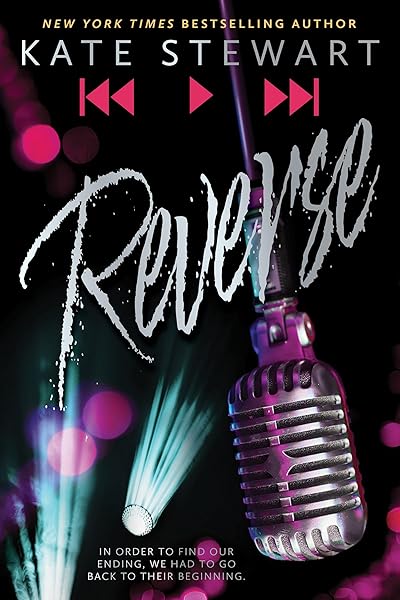
High-Stakes External Conflict


Writing Engaging Dialogue and Inner Monologue
Dialogue in romance isn't just about conveying information; it's about revealing character, building chemistry, and advancing the emotional plot. Witty banter, vulnerable confessions, and heated arguments all contribute to the dynamic between your protagonists. Ensure each character has a distinct voice – how do they speak? What are their verbal tics? Do they use sarcasm, directness, or evasion?
Inner monologue is equally important, especially in single-POV or dual-POV narratives. This is where readers gain insight into a character's true feelings, fears, and desires, often contrasting with what they say aloud. It allows for deeper emotional connection and builds empathy. Use inner monologue to reveal their internal struggles, their growing attraction, and their hopes for the relationship. It's a powerful tool for showing, not just telling, their emotional journey.
The Role of Sensory Details and Setting
Immersive storytelling relies heavily on sensory details. Don't just tell readers a scene is romantic; show them. Describe the scent of rain on pavement, the warmth of a hand in theirs, the taste of a shared meal, the sound of their laughter. These details ground the reader in the world of your story and heighten the emotional impact of each moment. Consider the five senses in every scene.
Setting also plays a bigger role than just background. It can reflect the characters' emotional state, create opportunities for interaction, or even act as a source of conflict. A cozy café might foster intimacy, while a bustling city street could highlight their solitude or the challenges of finding private moments. For example, a historical romance set during the Regency era will use specific social settings and rules to create unique romantic obstacles and opportunities. Think about how your setting influences the mood and progression of the romance. Discover more about how setting impacts genre in our romance genres guide.
Subgenres and Market Trends: Finding Your Niche
The romance genre is incredibly diverse, encompassing dozens of subgenres, each with its own conventions and reader expectations. From contemporary romance to historical, paranormal, fantasy, sci-fi, and even dystopian romance, there's a niche for every author. Researching these subgenres is crucial for understanding your target audience and their preferences. For instance, readers of dark romance expect morally grey characters and intense themes, while cozy mysteries with romance will offer a much softer, gentler experience.
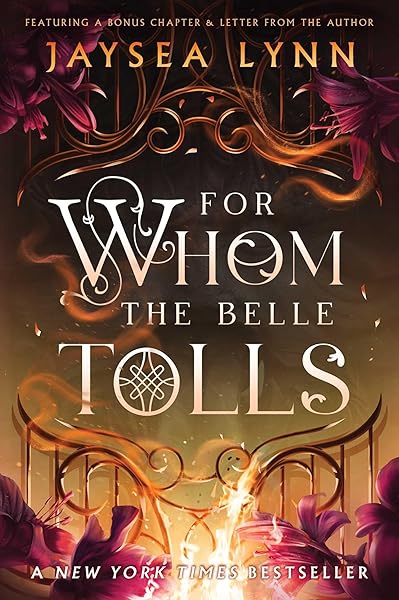
Stay informed about current market trends. While timeless tropes remain popular, new subgenres and themes emerge regularly. For example, in the mid-2020s, "romantasy" (romance-fantasy hybrid) and "spicy romance" experienced explosive growth. Pay attention to what's topping bestseller lists on platforms like Amazon and Goodreads. Join author communities and follow industry blogs to keep your finger on the pulse. However, don't chase trends at the expense of your authentic voice; aim to blend current appeal with your unique storytelling.
Rising Subgenres: Romantasy


The Importance of Voice and Style
Your authorial voice is what makes your stories uniquely yours. It encompasses your tone, word choice, sentence structure, and overall narrative perspective. A strong, consistent voice not only distinguishes your work but also helps build a loyal readership. Experiment with different narrative styles – first-person, third-person limited, dual POV – and find what best serves your story and characters. For example, a humorous rom-com will benefit from a light, witty voice, while a gothic romance might demand a more atmospheric and introspective tone.
Read widely within your chosen subgenre to understand stylistic norms, but don't be afraid to break conventions if it serves your story. Authenticity is key. Readers connect with authors who have a clear, engaging voice that shines through every page. Developing your voice is an ongoing process, evolving with each story you write.
Editing and Revision: Polishing Your Gem
The first draft is where you tell yourself the story; the subsequent drafts are where you tell it to the reader. Editing is an indispensable part of the writing process, especially for romance, where emotional impact and pacing are paramount. Start with developmental edits to ensure your plot makes sense, character arcs are strong, and the emotional beats land. Are the stakes clear? Is the chemistry believable? Does the HEA feel earned?
Next, move to line edits and copy edits to refine your prose, eliminate repetition, tighten sentences, and correct grammatical errors. Consider hiring professional editors specializing in romance; their expertise can elevate your manuscript significantly. Beta readers and critique partners can also offer invaluable feedback on areas you might have overlooked. A polished manuscript is essential for reader satisfaction and professional presentation, impacting reviews and sales. Learn more about professional services on our tools page.
Marketing Your Romance Novel
Writing a great romance novel is only half the battle; getting it into the hands of readers is the other. Effective marketing begins long before publication. Build an author platform, including a website, social media presence, and an email list. Engage with readers in your genre and connect with other authors. When it comes to publication, a compelling book cover is paramount. Romance readers often browse by cover, so invest in professional cover design that clearly signals your subgenre and tone. Discover more about cover design on our covers page.
Utilize Amazon ads, Facebook ads, and other promotional tools. Participate in book tours (virtual or in-person), cross-promotions with other authors, and submit your book to review sites. Understand that marketing is an ongoing process, not a one-time event. The romance market is competitive, but with a quality product and a strategic approach, you can find your audience. Explore more marketing strategies in our market insights section.
The Future of Romance Writing: What's Next?
The romance genre is dynamic and constantly evolving. As we look ahead to 2026 and beyond, several trends are likely to continue shaping the market. Diversity and inclusivity in characters and relationships are increasingly important, reflecting a broader range of reader experiences. #OwnVoices stories, featuring authors from marginalized communities writing about their experiences, are gaining significant traction.
Digital-first publishing models continue to dominate, offering authors unprecedented access to readers and control over their careers. Audiobooks and serialized fiction platforms are also growing segments, presenting new avenues for content delivery. Staying adaptable, open to new storytelling techniques, and always prioritizing reader connection will be key for authors learning how to write romance for the next generation. The heart of romance remains the same, but the ways we tell and consume these stories are ever-changing.
Try Our AI Writing Tools
Generate blurbs, plot outlines, and more — designed for pantsers.
Try the Blurb WriterRelated Articles
Unlock the power of an AI blurb writer for books. Learn how to craft compelling, data-backed book blurbs that captivate readers and boost sales. Get actionable tips!
How AI plot generators work for discovery writers who don't outline. Practical workflows, tool comparisons, and how to maintain creative control while using AI.
Master Amazon book description formatting, keyword placement, above-the-fold optimization, A+ content, and mobile vs desktop display. Data-backed strategies from 2,500+ books analyzed.