
Romance Book Cover Design: The Complete Indie Author Guide
Unlock the secrets to crafting bestselling romance book covers. This guide covers trends, tropes, color psychology, and essential design elements for indie authors.
Why Your Romance Cover Is Your Most Powerful Marketing Tool
In the bustling digital marketplace, your romance novel's cover isn't just a pretty picture; it's a critical marketing asset, often the sole determinant of whether a potential reader clicks, or scrolls past. Data consistently shows that covers are the primary decision-making factor for over 70% of readers browsing online bookstores. For romance, a genre driven heavily by visual appeal and emotional connection, this percentage can climb even higher.
A well-designed romance cover instantly communicates genre, tone, and trope, acting as a visual shorthand that allows readers to quickly identify if your book aligns with their preferences. A poorly designed cover, conversely, can signal amateurism, erode reader trust, and lead to missed sales opportunities, regardless of the quality of your story. Investing in professional romance book cover design isn't an expense; it's an essential investment in your book's success.
Bestselling Romance Covers
Understanding the Romance Reader's Journey: From Glance to Purchase
To design an effective romance cover, you must first understand the romance reader's typical journey. They are often browsing on mobile devices, quickly scanning thumbnails. Their eyes are trained to pick out specific visual cues that indicate their preferred subgenre and tropes. This means your cover needs to be impactful even at a small size and convey its core message in a fraction of a second.
Readers are looking for an emotional promise: the thrill of the chase, the warmth of true love, the heat of passion, or the comfort of a happily ever after. Your cover must encapsulate this promise visually. It's not just about showing characters; it's about evoking the feeling your book delivers. Consider the 'emotional resonance' – how quickly does your cover make a reader feel something? This emotional connection is what drives the click-through.
Key Elements of a Bestselling Romance Cover
While every subgenre has its nuances, several core elements consistently contribute to a successful romance cover. Mastering these foundations is paramount for any indie author aiming to compete in this vibrant market.
The Hero/Heroine: Focus on Connection & Emotion
For many romance subgenres, featuring characters on the cover is almost mandatory. However, it's not just about showing faces; it's about conveying emotion and connection. Are they looking at each other? Is there a sense of longing, passion, or tenderness? The pose, expression, and proximity of the characters speak volumes. Avoid generic stock photos that lack genuine emotion. Instead, seek out images that tell a mini-story. For instance, a couple in a passionate embrace clearly signals a steamy read, while a soft, intimate gaze suggests a more heartwarming journey.
Color Psychology: Setting the Mood
Colors evoke specific emotions and genre expectations. Reds, oranges, and deep purples often signal passion, heat, and intensity, common in dark romance or contemporary romance with high stakes. Pinks, pastels, and soft blues are more indicative of sweet, wholesome, or clean romance. Gold and emerald tones can suggest historical settings or stories with a touch of luxury. Understanding these associations allows you to strategically use color to communicate your book's tone instantly. For example, a bright, airy color palette would be out of place for a gothic romance.
Font Choice: The Voice of Your Story
Typography is often overlooked but is crucial for genre signaling. Script fonts with elegant flourishes might be perfect for Regency romance or historical fiction, while bold, sans-serif fonts often suit contemporary or urban fantasy romance. Hand-drawn or distressed fonts can work for cozy or quirky romance. Ensure your title is legible, even at thumbnail size, and that the font choice complements, rather than competes with, your visual imagery. A common mistake is using too many different fonts or illegible decorative fonts.
Background & Setting: Contextualizing the Love Story
The background of your cover provides essential context. A sweeping castle or misty forest immediately tells readers they're entering a fantasy or historical world. A bustling city skyline points to contemporary settings. Even abstract backgrounds can convey mood – soft blurs suggest intimacy, while sharp, geometric shapes might indicate a more suspenseful or modern plot. The background shouldn't distract from the main characters but should enhance the overall atmosphere and hint at the story's world.
Navigating Romance Subgenres: Tailoring Your Cover
The romance genre is vast, encompassing dozens of subgenres, each with its own visual language and reader expectations. A cover that works for a steamy contemporary might completely miss the mark for a sweet cozy romance. Understanding these distinctions is critical for effective cover design.
Contemporary Romance


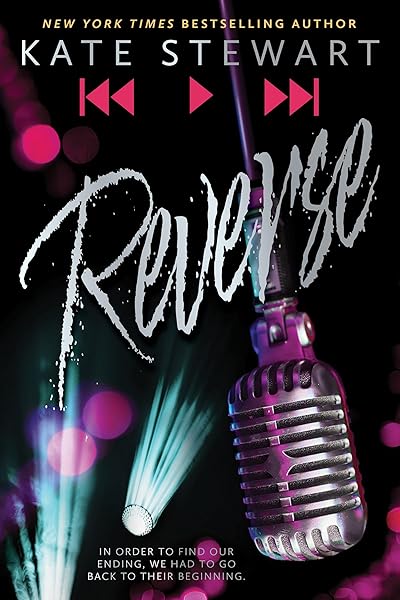


Contemporary Romance: Modern & Relatable
Covers for contemporary romance often feature modern, attractive characters in relatable settings – coffee shops, cityscapes, or cozy interiors. The focus is on connection, chemistry, and often a touch of humor or vulnerability. Bright, clean colors are common, and photography is frequently used. Think less about grand gestures and more about intimate moments or playful banter conveyed through body language. These covers excel when they promise a feel-good, escapist read.
Fantasy Romance (Romantasy): Epic & Magical
With the rise of romantasy, covers blend epic fantasy elements with undeniable romantic tension. Expect intricate character designs, often in fantastical attire, magical glowing elements, and sweeping, otherworldly landscapes. The color palette tends to be richer, with deep jewel tones, purples, and blues, often contrasting with bright magical effects. These covers need to signal both the magic and the romance, appealing to fans of both genres. Think swords, spells, and smoldering gazes.
Historical Romance: Elegance & Period Authenticity
Historical romance demands authenticity in attire, setting, and overall aesthetic. Covers often feature period-appropriate clothing, grand estates, or historical backdrops. The color palette is typically softer, with muted tones, golds, and creams, evoking a sense of classic elegance. Poses might be more formal, but the emotional connection between characters should still be palpable. For Regency romance, specifically, pastel colors, ball gowns, and stately homes are nearly mandatory.
Dark Romance: Intense & Edgy
Dark romance covers often use darker, moodier color palettes – blacks, deep reds, and brooding blues. Characters might be partially obscured, feature intense gazes, or display a raw, almost dangerous allure. Typography can be bolder, sometimes distressed, to reflect the grittier themes. These covers are designed to signal mature content and intense emotional experiences, often with elements of suspense or forbidden love. They are not for the faint of heart, and the cover must communicate that upfront.
Cozy Romance/Clean Romance: Sweet & Wholesome
At the opposite end of the spectrum, cozy and clean romance covers prioritize warmth, gentleness, and often a touch of whimsy. Illustrations are common, featuring cute characters, charming small-town settings, or picturesque natural landscapes. Bright, inviting colors, soft pastels, and friendly, readable fonts are typical. These covers promise a lighthearted, feel-good read with little to no explicit content, focusing on emotional connection and good cheer.
The Power of Tropes: Visual Cues for Romance Readers
Romance readers are highly trope-aware. They actively seek out stories featuring 'enemies-to-lovers,' 'fake dating,' 'grumpy/sunshine,' or 'second-chance romance.' Your cover can visually hint at these tropes, making it irresistible to a specific segment of your audience. For example, a cover with two characters glaring at each other but standing close might suggest enemies-to-lovers, while a couple holding hands over a pregnancy test clearly indicates a surprise baby trope.
Integrating subtle visual cues for popular tropes can significantly improve your book's discoverability and appeal. For instance, a character in a uniform often signals a 'military hero' or 'doctor romance' trope. A clear age gap between characters can hint at a 'mentor/mentee' or 'age gap' romance. These visual shorthand cues are vital for readers browsing rapidly.
Romance Covers Signaling Tropes


DIY vs. Professional: Making the Right Cover Design Choice
As an indie author, the decision between designing your own cover and hiring a professional can be daunting. While DIY tools have improved, the romance genre, more than almost any other, demands a high level of design sophistication to compete. On average, bestselling romance covers show a clear investment in professional design, often utilizing custom photography, intricate photo manipulation, and expert typography.
When to Consider DIY
DIY might be an option if you have a strong graphic design background, access to high-quality stock photography with appropriate licensing, and a deep understanding of current romance cover trends. It's also more viable for experimental or niche subgenres where reader expectations are less rigid. However, be honest with yourself about your skill level and the time commitment required.
The Value of Professional Design
A professional cover designer brings expertise in composition, color theory, typography, and genre-specific trends that are difficult for an amateur to replicate. They often have access to premium stock photography, custom fonts, and sophisticated software. Their experience can save you from common pitfalls, ensuring your cover looks polished and competitive alongside traditionally published titles. The return on investment for a professional cover often outweighs the upfront cost through increased sales and reader trust. Consider it an essential part of your marketing strategy.
Avoiding Common Romance Cover Design Pitfalls
Even with the best intentions, indie authors can fall into common traps when designing romance covers. Awareness of these issues can help you steer clear of them.
Generic Stock Photos: The Kiss of Death
Using overly generic or obviously 'stock' photos can instantly cheapen your cover. Readers are savvy; they recognize models who appear on dozens of other covers. Invest in unique, high-quality images, or work with a designer who can manipulate stock photos creatively to make them unique. The goal is to make your characters feel distinct, not like interchangeable mannequins.
Illegible Typography: Don't Make Readers Squint
Your title and author name must be easily readable at all sizes, especially thumbnail. Avoid overly complex fonts, busy backgrounds that obscure text, or poor color contrast. While decorative fonts can be appealing, ensure they don't sacrifice readability. The average reader spends less than 2 seconds looking at a cover, and if they can't read the title, they'll move on.
Mismatched Genre & Tone: Confusing Your Audience
A cover that promises epic fantasy but delivers a cozy contemporary will confuse and disappoint readers. Ensure every element – colors, fonts, imagery, and character expression – aligns perfectly with your book's subgenre and emotional tone. If your book is steamy, don't use a cover that looks like clean romance. If it's a laugh-out-loud rom-com, avoid a cover that looks like a dark thriller.
Cluttered Composition: Less is Often More
Resist the urge to cram too many elements onto your cover. A busy cover can be overwhelming and make it difficult for the reader to identify the main focus. A clean, well-composed design with a clear focal point is almost always more effective. Each element should serve a purpose in conveying genre, mood, or character.
Testing Your Cover: Getting Reader Feedback
Before you publish, it's crucial to test your cover with your target audience. What looks good to you might not resonate with potential readers. Use A/B testing platforms, engage with beta readers, or solicit feedback from author groups. Ask specific questions: What genre do you think this is? What kind of story do you expect? What emotions does it evoke? Is the title legible?
Pay attention to conversion rates if you're running ads with different cover versions. Data-driven feedback is invaluable. A cover that performs 1-2% better in click-through rates can translate into hundreds or even thousands of extra sales over the lifetime of your book. Iterating based on feedback ensures your cover is a true magnet for your ideal readers.
The Future of Romance Cover Design: Trends to Watch
The romance market is constantly evolving, and so are its cover trends. Staying abreast of these shifts can give you a competitive edge. Currently, we're seeing a move towards more diverse representation, character-focused covers with strong emotional expressions, and increasingly sophisticated illustration styles, especially in fantasy romance.
Expect continued innovation in typography and a blending of traditional and modern aesthetics. Don't chase every fleeting trend, but understand the broader movements. For example, while shirtless men were once ubiquitous, many subgenres are now preferring more nuanced, emotionally charged poses. Keep an eye on bestsellers in your specific subgenre to see what's currently resonating with readers. Platforms like Dear Pantser can help you analyze cover trends by genre.
Emerging Romance Cover Trends
Your Romance Cover: A Silent Promise to Your Reader
In essence, your romance book cover is more than just an image; it's a silent promise to your reader. It promises a specific emotional journey, a particular type of character, and a certain level of storytelling. A well-crafted cover fulfills this promise from the very first glance, drawing in your ideal reader and setting the stage for the beautiful story within. By understanding the psychology, trends, and practical elements of effective romance book cover design, indie authors can significantly enhance their visibility, attract more readers, and build a successful publishing career. Invest wisely, design strategically, and let your cover be the powerful gateway to your romantic world.
Try These Ideas on Your Cover
Open the cover editor and preview fonts, colors, and layouts on your book cover.
Open Cover EditorRelated Articles
How AI book cover generators work, what they cost vs traditional designers, and when to use each option. Based on analysis of 2,500+ bestselling covers across 27 genres.
Master horror book cover design with this comprehensive guide for indie authors. Learn key tropes, color psychology, and visual elements that sell.
Unlock the secrets of compelling mystery book cover design. Learn data-driven strategies, genre-specific aesthetics, and actionable tips to attract more readers.