
Email List for Authors: Build, Launch, Sell More Books
Unlock the power of an email list for authors. Learn how to build, grow, and leverage your subscriber base to connect with readers and boost book sales.
Choosing Your Email Service Provider (ESP): The Foundation
Before you can build an effective email list for authors, you need the right tools. Your Email Service Provider (ESP) is the platform that allows you to collect subscriber information, send bulk emails, manage lists, and track engagement. Choosing the right ESP is crucial, as it impacts ease of use, deliverability, and scalability. Many popular options cater to authors, each with its own strengths and pricing structure. While free tiers are tempting, consider the long-term features you'll need as your list grows.
Key features to look for include: ease of creating sign-up forms, robust segmentation capabilities (to send targeted emails), automation sequences (for welcome series), and detailed analytics. For authors just starting, platforms like MailerLite and Mailchimp offer generous free plans that can handle thousands of subscribers and basic automation. As your needs evolve, or if you require more advanced segmentation and automation, ConvertKit is a favorite among creators for its user-friendly interface and powerful tagging system. ActiveCampaign offers even more sophisticated CRM capabilities, ideal for authors managing multiple series or complex funnels. Investigate each to find the best fit for your budget and technical comfort level.
Building Your List: Ethical & Effective Subscriber Acquisition
Once you have an ESP, the next step is to actively grow your email list for authors. The most effective way to do this is by offering a compelling incentive, often called a 'reader magnet' or 'lead magnet.' This is a valuable piece of content that readers receive in exchange for their email address. It should be directly relevant to your genre and target audience, giving them a taste of your writing style and world.
Crafting an Irresistible Reader Magnet
What makes a reader magnet 'irresistible'? It should solve a problem, entertain, or provide exclusive content. For fiction authors, this often means a free short story, a novella prequel, bonus scenes, character art, a 'deleted scenes' chapter, or even a 'world bible' excerpt. For non-fiction, it could be a checklist, a mini-guide, a template, or an exclusive chapter. The goal is to delight your reader and establish your voice. For instance, a fantasy author might offer a free novella set in their world, while a romance author could offer an exclusive alternate ending or a 'meet cute' short story.
Romance Reader Magnets (e.g., Novellas)


Where to Promote Your Sign-Up Form
Strategically place your sign-up forms everywhere your readers might encounter you. This includes: 1. Your Author Website: Prominently display forms on your homepage, 'About' page, and a dedicated 'Free Book' or 'Join My List' page. Use pop-ups judiciously, perhaps after a reader has spent 30 seconds on your site. 2. Back of Your Books: Include a call-to-action (CTA) with a direct link to your sign-up page in the back matter of all your published books (e.g., 'Enjoyed this? Get a free prequel by joining my newsletter!'). This is one of the highest-converting placements. 3. Social Media: Share your reader magnet link regularly on platforms like Facebook, Instagram, and TikTok, especially in your bio or pinned posts. 4. Author Blog: Embed sign-up forms within relevant blog posts. 5. Guest Posts & Podcasts: If you're featured elsewhere, ensure you can share your sign-up link. 6. Book Funnel & StoryOrigin: These platforms are designed specifically for authors to cross-promote reader magnets and grow their lists collaboratively.
The Welcome Sequence: Nurturing New Subscribers
Once someone joins your email list for authors, the first few emails they receive are critical. This is your chance to make a strong first impression, deliver on your promise (the reader magnet), and begin building a relationship. A well-crafted welcome sequence can significantly increase engagement rates and reduce unsubscribes.
Structuring Your Automated Welcome Series
An effective welcome sequence typically consists of 3-5 emails spread over a week or two. Email 1 (Immediate): Deliver the reader magnet. Thank them for joining. Introduce yourself briefly and set expectations for future emails (e.g., 'You'll hear from me every two weeks with updates and exclusive content.'). Email 2 (2-3 days later): Share a bit more about you and your writing journey. Perhaps a personal anecdote or what inspires your stories. Ask a simple, engaging question to encourage replies (e.g., 'What's your favorite genre to read?'). Email 3 (4-5 days later): Introduce your existing books. Highlight one or two of your bestsellers or a series entry point. Provide direct links to purchase pages. Email 4 (7-10 days later): Offer exclusive content or a 'behind the scenes' look. This could be a character interview, a snippet from a work-in-progress, or insights into your writing process. The goal is to deepen their connection and make them feel special. This sequence moves subscribers from 'new' to 'engaged' and primes them for future promotions.
Content Strategy: What to Send to Your List
Maintaining an engaged email list for authors requires a consistent and valuable content strategy. Your emails shouldn't just be about selling; they should entertain, inform, and build community. Think of your newsletter as a direct line to your superfans, offering them something they can't get anywhere else.
Mixing Value with Promotion
A good rule of thumb is the 80/20 rule: 80% value, 20% promotion. Value can include: 1. Personal Updates: Share snippets from your writing life, challenges, triumphs, or even personal anecdotes related to your genre. 2. Exclusive Content: Offer sneak peeks of upcoming books, deleted scenes, character interviews, or world-building details. 3. Reader Questions: Answer questions submitted by your readers, making them feel heard. 4. Recommendations: Suggest books by other authors in your genre (a great way to network!), movies, TV shows, or music that inspire you. 5. Behind-the-Scenes: Show your cover design process, editing insights, or even your writing space. When it comes to promotion, clearly announce new releases, sales, or special offers. Always link directly to purchase pages and use compelling book blurbs to entice clicks.
Fantasy Inspirations


Thriller Inspirations


Frequency and Consistency
How often should you email? Consistency is more important than frequency. Whether you send weekly, bi-weekly, or monthly, stick to it. Readers appreciate predictability. Most authors find bi-weekly (every two weeks) to be a sweet spot, offering enough touchpoints without overwhelming subscribers. If you're launching a book, you'll naturally increase your frequency in the weeks leading up to and immediately after the launch. Monitor your open and click rates; if they drop significantly after an increase in frequency, it might be a sign to scale back.
Leveraging Your Email List for Book Launches & Sales
The true power of an email list for authors shines during book launches and promotional periods. Your list is your most powerful asset for driving initial sales, boosting rankings, and generating reviews. This direct access to your most dedicated readers can make or break a new release.
The Pre-Launch Hype Train
Start building anticipation 4-6 weeks before launch. Send exclusive cover reveals, share snippets from the book, offer character spotlights, or even run a contest for an advanced reader copy (ARC). Encourage pre-orders by explaining their importance for launch-day algorithms. Create a sense of excitement and exclusivity that only your subscribers receive. Data suggests that books with strong pre-order campaigns often see higher launch-day sales and better visibility on retail platforms.
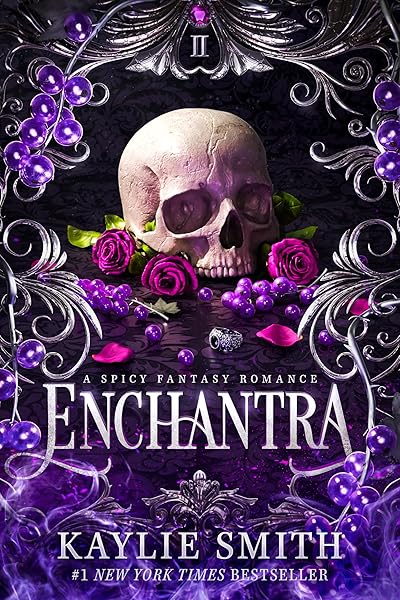
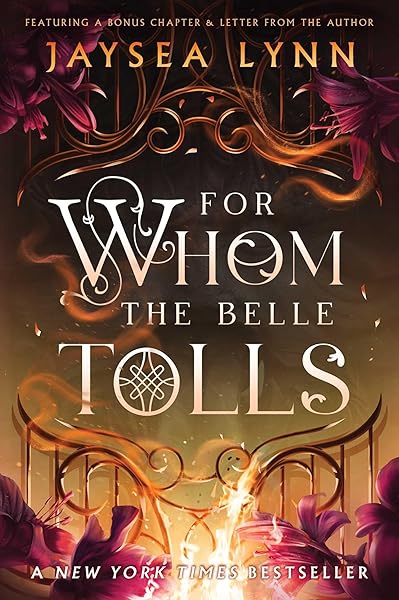
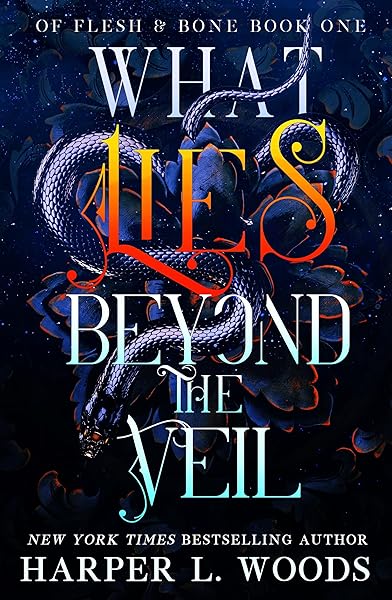
Romantasy New Releases


Launch Day & Beyond
On launch day, send a dedicated email announcing the book's release with direct links to all retailers. Follow up a few days later, encouraging readers to leave reviews. Reviews are critical for discoverability and social proof. You can segment your list to target readers who have purchased the book with a polite request for a review. After the initial launch push, use your list to announce sales, participate in multi-author promotions (e.g., a 'box set' or 'bundle' sale), or cross-promote other books in your series. Remember to always provide a clear call to action and make it easy for readers to buy.
Advanced Strategies: Segmentation & Automation
As your email list for authors grows, you'll want to move beyond basic broadcasting. Segmentation and automation are powerful tools that allow you to send highly targeted and personalized messages, significantly increasing engagement and sales.
Segmenting Your Audience for Maximum Impact
Segmentation means dividing your list into smaller groups based on specific criteria. This allows you to send relevant content to the right people. Common segments for authors include: 1. Genre Preference: If you write in multiple genres (e.g., romance and mystery), allow readers to select their preferred genre upon signup or tag them based on which reader magnet they downloaded. 2. Engagement Level: Separate highly engaged readers (frequently open/click) from less engaged ones. You might send special offers or ARCs to your superfans. 3. Purchase History: If you sell direct, tag readers who have purchased specific books or series. 4. Location: Useful for promoting in-person events or signing tours. By sending tailored content, you reduce unsubscribes and increase the likelihood of conversions. For example, a reader interested only in your fantasy series won't be bothered by emails about your new cozy mystery.
Automated Workflows: Saving Time & Increasing Engagement
Automation allows you to set up sequences of emails that are triggered by specific actions (e.g., joining your list, clicking a link, purchasing a book). Beyond the welcome sequence, consider: 1. Series Follow-Up: When a reader finishes Book 1, automatically send an email recommending Book 2. 2. Re-engagement Campaigns: If a subscriber hasn't opened an email in 60-90 days, send a series of emails to try and re-engage them, or remove them from your active list to improve deliverability. 3. Birthday/Anniversary Emails: A personalized touch can go a long way in building loyalty. Most ESPs offer robust automation features that can be configured with 'if-then' logic, allowing for highly sophisticated and effective email funnels.
Measuring Success & Optimizing Your Email Marketing
Building an effective email list for authors is an ongoing process of testing, analyzing, and optimizing. Your ESP provides a wealth of data that can inform your strategy and help you continuously improve your results.
Key Metrics to Monitor
1. Open Rate: The percentage of subscribers who open your email. A low open rate might indicate a weak subject line or a non-engaged list. 2. Click-Through Rate (CTR): The percentage of subscribers who click on a link within your email. This indicates how compelling your content and calls-to-action are. 3. Unsubscribe Rate: The percentage of subscribers who opt out. A high rate could signal too frequent emails, irrelevant content, or a mismatch between your reader magnet and your regular content. 4. Conversion Rate: The percentage of subscribers who complete a desired action (e.g., purchase a book, leave a review). This is the ultimate measure of your email's effectiveness. 5. List Growth Rate: How quickly your list is growing. Aim for consistent, sustainable growth.
A/B Testing & Continuous Improvement
Don't be afraid to experiment! A/B testing (or split testing) allows you to send two different versions of an email (e.g., different subject lines, different calls-to-action, different images) to a small portion of your list and then send the winning version to the rest. This data-driven approach helps you understand what resonates best with your audience. Regularly review your analytics, identify trends, and adjust your content, frequency, and segmentation strategies accordingly. Every email you send is an opportunity to learn and refine your approach to building a powerhouse email list for authors.
Start Publishing with Dear Pantser
AI covers, market analysis, blurb writer, and plot tools — all in one place.
Get StartedRelated Articles
Unlock the power of Amazon Ads for authors. Learn how to set up, optimize, and scale your campaigns for profitability, starting with just $5 a day.
Unlock the secrets to creating high-quality audiobooks in 2026, blending AI narration with traditional methods. Learn about tools, platforms, and best practices for indie authors.
Honest comparison of AI book cover generators in 2026: Dear Pantser, BookBrush, Canva, Midjourney, and DALL-E. Genre accuracy, typography, dimensions, cost, and learning curve — with data from 2,500+ books analyzed.