
How to Launch a Book on Amazon: The Complete Strategy
30-day book launch timeline for Amazon. Pre-launch ARC strategy, cover reveal tactics, launch week optimization, Amazon algorithm understanding, ads on $5/day, and post-launch momentum. Data from 2,500+ books.
A Book Launch Is a Campaign, Not a Moment
Most indie authors think of their book launch as a single event: the day they click "Publish" on KDP. They share a post on social media, tell their friends, and wait for sales to roll in. A week later, they've sold 14 copies and the algorithm has already forgotten their book exists.
Successful book launches are 30-day campaigns with three phases: pre-launch (weeks 4-2), launch week (week 1), and post-launch momentum (weeks 2-4 after release). Each phase has specific objectives, and skipping any one of them cuts your launch velocity — the metric that Amazon's algorithm cares about most.
We analyzed bestselling titles across our dataset of 2,500+ books and studied the launch patterns that separate books that gain traction from those that stall. The difference isn't budget. It's timing, preparation, and understanding how Amazon's recommendation engine actually works.
This guide gives you the complete 30-day playbook — specific actions, in sequence, with the reasoning behind each one.
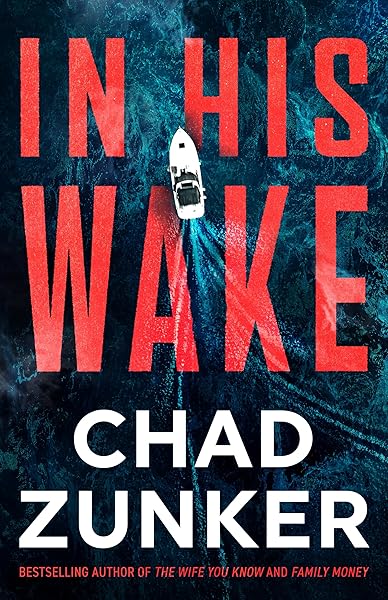
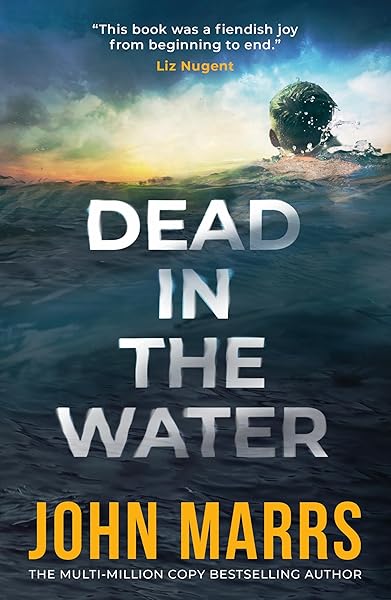
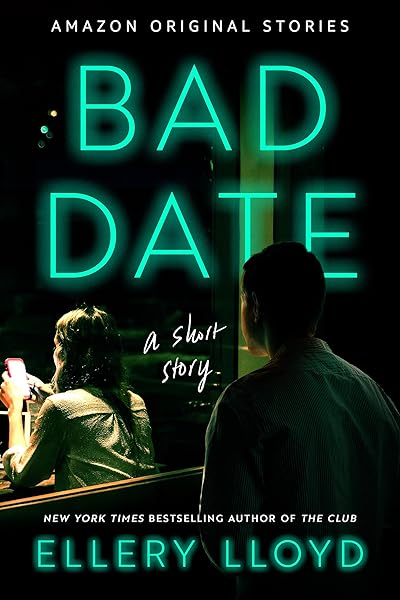
Bestselling thrillers that nailed their launches



Understanding Amazon's Algorithm (What Actually Drives Visibility)
Before planning tactics, you need to understand the machine you're optimizing for. Amazon's book recommendation algorithm (sometimes called A9 or A10) determines which books appear in search results, "Customers Also Bought" carousels, and "Recommended for You" emails. It's the difference between selling 50 copies and selling 5,000.
The three signals that matter most:
1. Sales velocity. Not total sales — sales per unit of time. Ten sales in one day generates more algorithmic visibility than 100 sales spread over three months. This is why launch week matters: concentrated sales velocity triggers Amazon's recommendation systems.
2. Conversion rate. Page views divided by orders. If 100 people view your product page and 10 buy, that's a 10% conversion rate. Amazon favors books with high conversion rates because they generate more revenue per impression. Your cover, description, reviews, and price all affect conversion.
3. Read-through signals. For Kindle Unlimited books, Amazon tracks how far readers get. High completion rates and quick progression to book two signal a quality book that readers enjoy, which increases recommendation frequency.
What doesn't matter (despite popular belief):
Bestseller rank milestones (hitting #1 in a category doesn't create lasting algorithmic benefit). Number of categories you're in (more categories doesn't equal more visibility). Publication date freshness (the algorithm doesn't penalize older books that maintain sales velocity).
Your entire launch strategy should be designed to maximize velocity in launch week, conversion rate on your product page, and completion rates in the manuscript. Everything else is noise.
Phase 1: Pre-Launch (Weeks 4 to 2 Before Release)
The pre-launch phase builds the audience and assets you'll deploy during launch week. Skip this phase and your launch has nothing to launch with.
Build Your ARC Team
ARC stands for Advance Reader Copy. Your ARC team is a group of 20-100 readers who receive your book before publication in exchange for an honest review posted during launch week.
Where to find ARC readers: Your email list (even a small one). Facebook groups for your genre. BookSprout, BookFunnel, or NetGalley for broader reach. Author newsletters in your genre who might mention your ARC callout.
ARC logistics: Send the ebook 2-3 weeks before launch day. Include a one-page letter explaining the review timeline ("Reviews help most when posted during launch week — here's the link"). Follow up once, 3 days before launch, with a friendly reminder.
Realistic expectations: About 30-40% of ARC recipients will leave a review. If you send to 50 people, expect 15-20 reviews. That's enough — 15 reviews on day one puts you ahead of 90% of debut launches.
Set Up Your Pre-Order
KDP lets you create a pre-order listing up to 90 days before release. Pre-orders have a unique advantage: all pre-order sales count on a single day — release day. This concentrates velocity exactly when you need it.
A 30-day pre-order window is ideal. Longer than that and you lose momentum. Shorter and you don't have enough time to build anticipation.
During the pre-order period, your book has a live Amazon page. This means you can share the link, drive traffic, and collect early social proof (Goodreads want-to-reads) before the book is even available.
The Cover Reveal
Your cover reveal is your first marketing moment, and it should feel like an event. The cover is the most shareable asset your book will ever have — it's visual, emotional, and genre-specific.
Timing: 2-3 weeks before launch. Early enough to build anticipation, close enough that momentum carries into release week.
Channels: Email list first (reward your existing fans). Social media 24 hours later. Newsletter swaps with other authors in your genre. Goodreads author page.
Make it interactive: Show 2-3 cover concepts and let your audience vote. This generates engagement AND makes your readers feel invested in the book before it's even out. The cover they "chose" becomes their book.
Need a cover that generates this kind of excitement? The Cover Generator creates genre-optimized designs you can use for the reveal — and lets you generate multiple options for an audience vote.
Thriller covers that stop the scroll
Fantasy covers that demand shares

On Wings of Blood: A Novel (Bloodwing Academy Book 1)

Rain of Shadows and Endings (The Legacy)

A Tongue so Sweet and Deadly (The Compelling Fates Saga)

Shield of Sparrows: An Enemies-to-Lovers Epic Romantasy

We Who Will Die: An Epic Romantasy of Forbidden Love, Deadly Secrets, and Vampires in a High-Stakes Arena, Discover a Vividly Reimagined Ancient Rome (Empire of Blood Book 1)
Email List Priming
If you have an email list (even 50 people), it's your most powerful launch asset. Email converts at 5-15x the rate of social media for book sales.
The pre-launch email sequence:
Email 1 (3 weeks out): Cover reveal + what the book is about. Link to pre-order. Tone: excitement.
Email 2 (2 weeks out): Behind the scenes — what inspired the book, a snippet, a character introduction. Build emotional investment.
Email 3 (1 week out): ARC reviews arriving + "launch team" invitation. Ask: "Can I count on you to buy/review during launch week?" Direct ask, not passive.
Email 4 (launch day): "It's live!" + direct buy links + review request. This should be your highest-energy, most personal email.
Phase 2: Launch Week (The Seven Days That Matter Most)
Launch week is where preparation meets execution. Your goal: maximum sales velocity in the shortest window. Every sale concentrated in this week generates more algorithmic lift than the same sale spread over a month.
Day 1 (Release Day):
Email your list. Post on all social channels. Contact your ARC team with the final buy/review links. If you have pre-orders, they all fire today — this is your velocity spike.
Days 2-3:
Follow up with ARC readers who haven't reviewed yet. Share early reviews on social media (screenshot and quote). Run a Goodreads giveaway if applicable. Post in genre-relevant Facebook groups (check group rules — many allow promotional posts on specific days).
Days 4-5:
Start Amazon Ads (more below). Reach out to book bloggers and Instagram bookstagrammers with a review copy offer. Monitor your category rank and celebrate milestones publicly — "We hit #12 in Psychological Thrillers!" creates social proof and FOMO.
Days 6-7:
Newsletter swaps go live (coordinate with genre-partner authors to feature each other's launches). Run a 48-hour price promotion if velocity is slowing ($0.99 flash sale). Post a "one week anniversary" thank-you to readers with a review request.
The emotional key to launch week: every day needs an action and a reason to share. Don't front-load all your efforts on day one and go silent. The algorithm rewards sustained velocity, not a single spike.
Amazon Ads: Starting at $5/Day
Amazon Advertising (AMS) is the most direct path to book sales because you're advertising to people who are already shopping for books. Unlike social media ads where you're interrupting someone's feed, Amazon ads appear when a reader is actively looking for their next read.
Start with Sponsored Products. This is the default ad type and the most effective for books. Your book appears in search results and on product pages of similar books. You pay per click, not per impression.
The $5/day starter budget:
Set your daily budget at $5. This lets you collect data without significant risk. At $0.20-$0.50 per click (typical for fiction), you'll get 10-25 clicks per day. Track for 7 days before making changes.
Keyword targeting strategy:
Comp author names. Target authors whose readers would enjoy your book. "Freida McFadden" for psychological thrillers. "Sarah J Maas" for epic fantasy romance. "Emily Henry" for contemporary romance. These are your highest-converting keywords because the reader's taste is pre-qualified.
Genre + trope keywords. "Enemies to lovers fantasy," "small town cozy mystery," "dark romance." These are broader but capture readers shopping by preference rather than author.
Book titles. Target specific bestselling titles in your genre. Readers searching for a specific book have proven genre interest — if it's sold out or they've already read it, your ad becomes the next option.
Metrics that matter:
ACOS (Advertising Cost of Sale). Ad spend ÷ revenue. Below 70% is sustainable for a standalone at the 70% royalty tier (you're spending less than you earn). Below 35% is profitable. Below 50% is sustainable for series because readthrough revenue isn't counted in ACOS.
Click-through rate (CTR). Clicks ÷ impressions. Above 0.3% is good. Below 0.15% means your cover or ad copy doesn't match the keywords — pause and retarget.
Series secret: For series authors, you can afford a higher ACOS on book one because readthrough revenue from books 2+ isn't captured in Amazon's ACOS calculation. A 100% ACOS on book one might still be profitable if your series readthrough generates 2x the book-one revenue.
Phase 3: Post-Launch Momentum (Weeks 2 to 4)
The new release boost lasts approximately 30 days. Your job in the post-launch phase is to maintain velocity so the algorithm keeps recommending your book after the initial boost expires.
Week 2: Expand your ad keywords. By now you have data on which keywords convert. Double down on winners (increase bids by 20-30%). Pause losers (high impressions, zero sales after 100+ clicks). Add new keywords based on what's working — Amazon's "suggested keywords" feature improves after it has conversion data.
Week 3: Promotional partnerships. Submit to book promotion newsletters: BookBub (the gold standard — a BookBub Featured Deal can sell 500-5,000 copies in a day), Freebooksy, Bargain Booksy, Robin Reads, and genre-specific newsletters. Most require a minimum number of reviews (10-25) and a discounted price ($0.99-$2.99).
Week 4: Evaluate and plan. By the end of week four, you'll know whether your book is gaining organic traction or relying entirely on ads. Key signals:
Organic sales growing relative to ad sales = the algorithm is working for you. The "also bought" recommendations are firing. Keep ads running to feed the cycle.
Organic sales flat or declining = the algorithm isn't picking you up. This usually means conversion rate is low (fix your description or cover) or readthrough is weak (readers aren't finishing, which means the book itself needs attention).
High page reads but low purchases = KU readers love you but browse buyers don't. This often means your price is too high for your genre's norm, or your reviews have a low average.
Romance: highest KU readthrough


Horror: 60% KU enrollment

The First Witch of Boston: A Novel
On Wings of Blood: A Novel (Bloodwing Academy Book 1)
We Who Will Die: An Epic Romantasy of Forbidden Love, Deadly Secrets, and Vampires in a High-Stakes Arena, Discover a Vividly Reimagined Ancient Rome (Empire of Blood Book 1)
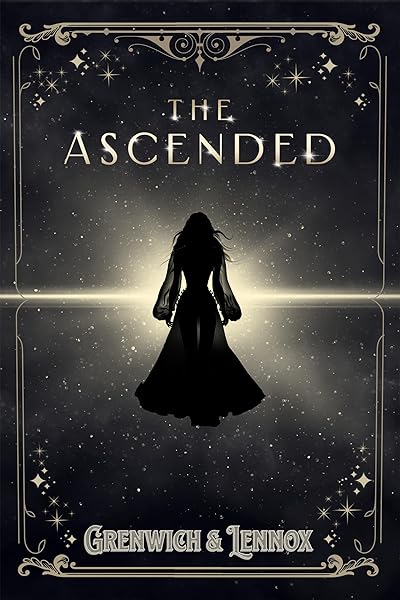
The Ascended (The Aesymarean Duet)

Eldritch (The Eating Woods)
Common Launch Mistakes (And How to Avoid Them)
After studying hundreds of indie launches, these are the recurring patterns that kill momentum:
1. Launching without reviews. A book with zero reviews has a conversion problem. Readers use reviews as a quality filter — even 5-10 reviews dramatically improve trust. Never launch without your ARC team ready to post.
2. Front-loading everything on day one. An all-out social media blitz on release day followed by silence is the most common launch pattern — and the least effective. The algorithm rewards sustained velocity, not spikes. Spread your efforts across the full launch week.
3. Wrong price for the strategy. Launching at $4.99 with no email list and no reviews means you're asking cold readers to take a $5 risk on an unknown author with no social proof. Launch at $0.99 or $2.99 and raise the price once you have reviews and momentum.
4. Ignoring the product page. Authors spend months on the manuscript and 15 minutes on the description. Your description is the last step between a curious browser and a paying customer. Give it the same creative attention you give your opening chapter.
5. Comparing yourself to outliers. "My launch only sold 200 copies" is a success by any reasonable standard. The average indie book sells fewer than 250 copies in its lifetime. Context matters — compare your launch to realistic benchmarks, not viral sensations.
6. Stopping ads too early. Amazon ads take 7-14 days to optimize. Turning them off after 3 days because "they're not working" means you never gave the algorithm enough data to find your audience. Commit to at least $35 (one week at $5/day) before evaluating.
Your 30-Day Launch Calendar
Here's the complete timeline, consolidated. Print this and check off each item.
Day -30: Finalize manuscript. Send to ARC team.
Day -21: Cover reveal on email list. Set up pre-order on KDP.
Day -20: Cover reveal on social media. Share pre-order link.
Day -14: Email #2: behind-the-scenes content.
Day -7: Email #3: launch team activation. Remind ARC readers.
Day 0 (LAUNCH): Email #4: "It's live!" Social media blitz. ARC reviews post.
Day 1-3: Follow up on reviews. Share early praise. Post in genre groups.
Day 4: Start Amazon Ads at $5/day.
Day 7: Newsletter swaps go live. Consider 48-hour price promo.
Day 14: Evaluate ad performance. Expand winners, pause losers.
Day 21: Submit to BookBub and promotional newsletters.
Day 30: Full evaluation. Plan next book or next marketing push.
Your launch is a system, not a prayer. Each piece — the cover, the blurb, the market positioning — feeds into the next. Get the fundamentals right, execute the timeline, and let the algorithm do what it was built to do: connect books with readers who want them.
Start Publishing with Dear Pantser
AI covers, market analysis, blurb writer, and plot tools — all in one place.
Get StartedRelated Articles
Unlock the power of Amazon Ads for authors. Learn how to set up, optimize, and scale your campaigns for profitability, starting with just $5 a day.
Unlock the secrets to creating high-quality audiobooks in 2026, blending AI narration with traditional methods. Learn about tools, platforms, and best practices for indie authors.
Honest comparison of AI book cover generators in 2026: Dear Pantser, BookBrush, Canva, Midjourney, and DALL-E. Genre accuracy, typography, dimensions, cost, and learning curve — with data from 2,500+ books analyzed.