
Kindle Unlimited: Is It Worth It? Data by Genre (2026)
Kindle Unlimited enrollment rates vary wildly by genre — from 60% in horror to 20% in thriller. See the data from 2,500+ bestsellers and learn when to go KU-exclusive vs wide.
How Kindle Unlimited Actually Works: The Revenue Model
Before we dive into genre-specific data, let's clarify how KU revenue works — because widespread misunderstanding of the model leads to bad decisions.
The KDP Select deal. When you enroll a book in KU (via KDP Select), you commit to selling that ebook exclusively on Amazon for 90 days. No Apple Books, no Kobo, no Barnes & Noble, no Google Play, no direct sales. In exchange, your book is available to KU subscribers (who pay $11.99/month for unlimited reading), and you earn revenue based on pages read.
The KENP rate. Amazon pays authors from a global fund based on "Kindle Edition Normalized Pages" (KENP) read. The per-page rate fluctuates monthly but has hovered between $0.004 and $0.005 per page in recent years. A 300-page novel (roughly 450 KENP) generates approximately $1.80-$2.25 per full read.
The math comparison. At a sale price of $4.99 with a 70% royalty, you earn $3.49 per sale. A full KU read of the same book generates roughly $2.00. On a per-read basis, KU pays less than a sale. But KU readers read more — significantly more. A reader who would buy one book at $4.99 might read three books in KU. The question is whether the increased volume compensates for the lower per-read revenue.
The visibility factor. This is what the pure math misses. KU books get preferential treatment in Amazon's recommendation algorithm. KU titles appear in "Read for Free" recommendations, KU-specific browsing sections, and receive higher algorithmic weight in search results. In genres where most bestsellers are in KU, not being in KU means your book is algorithmically disadvantaged — it's competing for a smaller slice of visibility.
Key insight: KU isn't just a revenue channel — it's a discovery channel. In genres with high KU enrollment, readers browse KU as their primary book discovery method. If your book isn't there, you're invisible to those readers regardless of price or quality.
KU Enrollment by Genre: What the Data Shows
Here's what we found across our dataset of 2,500+ bestselling books. These numbers represent the percentage of current bestsellers enrolled in Kindle Unlimited — not the percentage of all books, but specifically the books that are selling well right now.
This distinction matters. A high KU rate among bestsellers means KU is actively contributing to commercial success in that genre. A low KU rate means books can succeed without KU — and may succeed better by being available everywhere.
High KU Genres (50%+): Horror and Romance
Horror: 60% KU enrollment
Horror has the highest KU enrollment rate in our entire dataset. Six out of ten bestselling horror books are in Kindle Unlimited. This makes KU nearly essential for horror authors.
Why is horror so KU-dominant? Several factors converge. Horror readers consume rapidly — the books tend to be shorter (200-350 pages), and the genre lends itself to binge reading. A horror reader might go through a book in a single evening. At that consumption rate, buying individual books at $7-12 each becomes expensive quickly. KU's flat monthly fee is enormously attractive to these voracious readers.
Horror's average price of $7.36 means the alternative to KU is paying full price — there's less discounting in horror than in romance, so the KU value proposition is stronger. Combined with a 40% series rate, horror readers who discover a series in KU will often read the entire thing in a week.
For horror authors, the recommendation is clear: KU is the default strategy. The majority of your target readers are finding and consuming books through KU. Going wide means voluntarily removing yourself from the primary discovery channel for 60% of successful books in your genre.
Horror bestsellers — 60% are in Kindle Unlimited

The First Witch of Boston: A Novel

On Wings of Blood: A Novel (Bloodwing Academy Book 1)

We Who Will Die: An Epic Romantasy of Forbidden Love, Deadly Secrets, and Vampires in a High-Stakes Arena, Discover a Vividly Reimagined Ancient Rome (Empire of Blood Book 1)
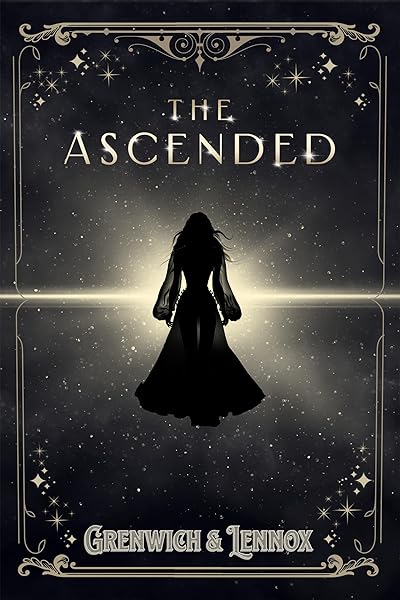
The Ascended (The Aesymarean Duet)

Eldritch (The Eating Woods)
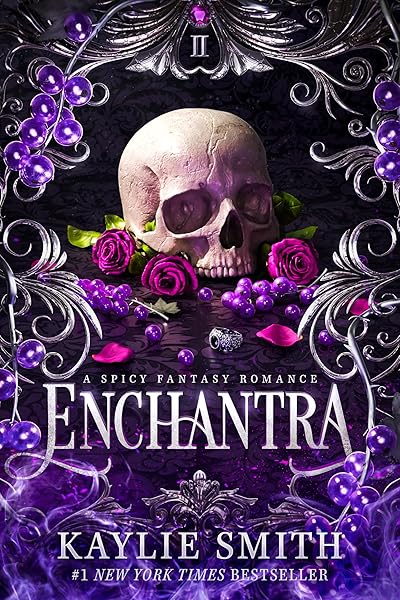
Enchantra: A spicy fantasy romance (Wicked Games Book 2)
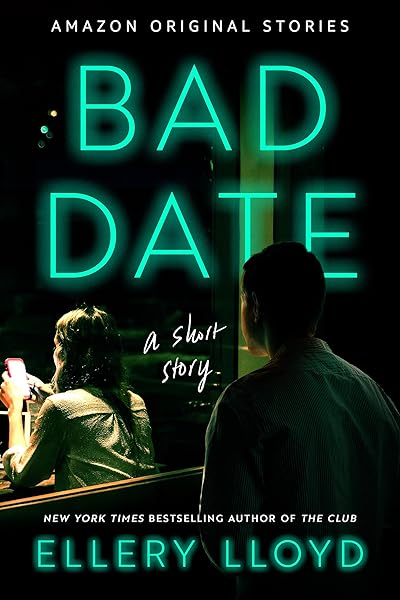
Bad Date: A Short Story

Eleven Numbers: A Short Story
Romance: 58% KU Enrollment
Romance is the other KU powerhouse, with 58% of bestsellers enrolled. Romance readers are the most voracious consumers in all of publishing — the average romance reader goes through 2-4 books per week. At an average price of $7.58, that's $60-120/month in book purchases. KU at $11.99/month is an extraordinary value for these readers.
The 54% series rate in romance amplifies the KU advantage. When a reader discovers your series in KU, there's zero financial friction to reading the next book — they just open it. No purchasing decision, no price evaluation, no "should I wait for a sale?" deliberation. The result is that KU romance series often see readthrough rates 10-15% higher than non-KU series, because every barrier between books has been removed.
However, romance has a significant caveat: the sub-genre matters enormously. Dark romance, paranormal romance, and contemporary romance have KU rates well above 58%. Clean romance, historical romance, and romantic suspense have lower rates, with more readers on Apple Books, Kobo, and direct sales. The 58% is an average — your specific sub-genre may skew higher or lower.
Romance bestsellers — KU drives series readthrough

Bad Bishop: A Dark Mafia Romance (Society of Villains Book 1)

Till Summer Do Us Part

Rewind It Back (Windy City Series Book 5)

Say You'll Remember Me

The Wild Card: a single dad hockey romance

Picking Daisies on Sundays

The Fall Risk: A Short Story

King of Depravity: Dark Steamy Mafia/Billionaire Romance (Kings of Las Vegas Book 1)
Medium KU Genres (35-45%): Fantasy, Mystery, Thriller
The middle tier is where the KU decision gets genuinely complicated. These genres have enough KU presence that you can't ignore it, but enough non-KU success that going wide is a legitimate strategy.
Fantasy: 42% KU enrollment. Fantasy is the most evenly split genre in our data. With 19.4 million Goodreads shelves, the reader base is enormous — and it's distributed across multiple platforms. Fantasy readers are active on Apple Books, Kobo, and Google Play in ways that romance and horror readers aren't. The higher average price of $11.67 means individual sales generate more royalty revenue, partially offsetting the volume advantage of KU.
Fantasy's 44% series rate and longer book lengths (often 400-600+ pages) mean each KU read generates more page-read revenue than shorter genres — a full read of a 500-page fantasy novel generates approximately $2.50-3.00 in KENP revenue. But the exclusivity requirement is a harder pill to swallow when 58% of bestsellers are proving you can succeed without it.
Mystery: 38% KU enrollment. Mystery readers at 6.5 million Goodreads shelves are a large, established community. The $8.85 average price and 26% series rate suggest a market where individual book purchases are the norm rather than binge-reading series in KU. However, cozy mystery — the fastest-growing mystery sub-genre — has notably higher KU rates than traditional mystery or noir.
Thriller: 36% KU enrollment. Thriller has the lowest KU rate among major fiction genres. Thriller readers tend to buy specific books by specific authors — the genre is more author-brand-driven than trope-driven. With $8.86 average price and only 20% series rate, thrillers are predominantly standalone purchases. The readers who do use KU tend to use it for discovery (trying new authors risk-free) rather than as their primary reading method.
Fantasy at 42% KU — split market, viable either way
On Wings of Blood: A Novel (Bloodwing Academy Book 1)

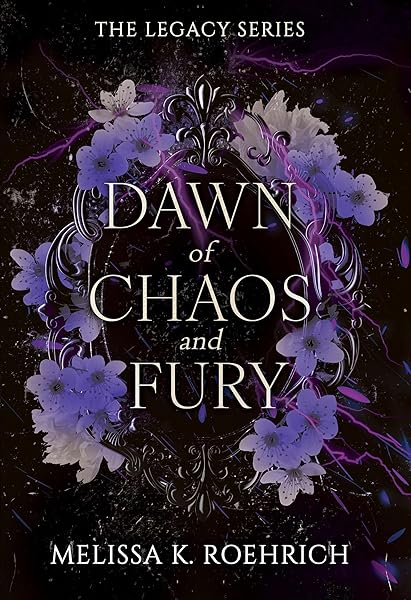
Rain of Shadows and Endings (The Legacy)

A Tongue so Sweet and Deadly (The Compelling Fates Saga)

Shield of Sparrows: An Enemies-to-Lovers Epic Romantasy
We Who Will Die: An Epic Romantasy of Forbidden Love, Deadly Secrets, and Vampires in a High-Stakes Arena, Discover a Vividly Reimagined Ancient Rome (Empire of Blood Book 1)
The Ascended (The Aesymarean Duet)
Thriller at 36% KU — author-brand driven, less KU dependent


The Page-Read Revenue Math: Real Numbers
Let's run the actual revenue comparison for different genres, using our dataset's averages and current KENP rates.
Horror novel (280 pages, ~420 KENP):
Sale at $7.36 (70% royalty) = $5.15 per sale
Full KU read at $0.0045/page = $1.89 per read
Break-even: you need 2.7 KU reads to match one sale
With 60% KU enrollment among bestsellers, a horror book in KU gets access to the majority of active readers. If a KU-enrolled horror book generates 500 KU reads and 200 sales in a month vs a non-KU book generating 400 sales, the math works out to:
KU: (500 × $1.89) + (200 × $5.15) = $1,975
Wide: 400 × $5.15 = $2,060
Roughly comparable — but the KU book has 700 readers (500 KU + 200 buyers) building its audience for the next release, while the wide book has 400. Over a series, that 75% larger reader base compounds dramatically.
Fantasy novel (450 pages, ~680 KENP):
Sale at $11.67 (70% royalty) = $8.17 per sale
Full KU read at $0.0045/page = $3.06 per read
Break-even: you need 2.7 KU reads to match one sale
Fantasy's longer page counts make each KU read more valuable. But the higher sale price also makes each lost sale more costly. At 42% KU enrollment, the market is genuinely split — neither strategy has a decisive advantage on paper.
Romance novel (320 pages, ~480 KENP):
Sale at $7.58 (70% royalty) = $5.31 per sale
Full KU read at $0.0045/page = $2.16 per read
Break-even: you need 2.5 KU reads to match one sale
Romance's volume advantage is enormous. Romance KU readers consume 2-4 books per week. A romance series with 5 books in KU can generate the equivalent revenue of selling each book individually, while building a reader base 3-4x faster due to the zero-friction readthrough.
The hidden variable: These calculations assume equal visibility. In reality, KU books get algorithmic boosts on Amazon. In high-KU genres, this visibility advantage alone can double or triple your effective reach — making the revenue comparison even more favorable for KU.
When to Go KU-Exclusive: The Decision Framework
Based on our data, here's a clear decision framework for KU enrollment.
Go KU if:
1. Your genre has 50%+ KU enrollment among bestsellers. Horror (60%) and romance (58%) are clear KU genres. The majority of your target readers are in KU, and not being there means reduced visibility. The algorithmic advantage of KU in these genres is too large to ignore.
2. You write series. KU's greatest advantage is frictionless readthrough. If your business model depends on readers consuming 3-5+ books in a series, KU removes every barrier between books. The readthrough improvement alone often justifies the exclusivity trade-off.
3. You produce fast. KU rewards velocity. The more books you publish, the more KENP pages you have generating passive income. An author producing 6+ books per year in KU can build substantial monthly page-read revenue that compounds over time. If you write 1-2 books per year, the revenue per title needs to be higher — which favors sales over KU.
4. You're building an audience from zero. For new authors with no existing readership, KU's discovery advantage is disproportionately valuable. Readers are more willing to try an unknown author for "free" (in their KU subscription) than to spend $5-12 on an unproven writer. KU is an audience-building tool, not just a revenue channel.
When to Go Wide
Go wide if:
1. Your genre has under 40% KU enrollment. Thriller (36%), literary fiction, and many non-fiction categories have reader bases distributed across multiple platforms. Going KU-exclusive means losing access to readers on Apple Books, Kobo, Google Play, and libraries — and in these genres, those readers represent the majority.
2. Your books command premium pricing. Fantasy averaging $11.67 means each sale generates significant royalty revenue. If your per-sale royalty exceeds $7-8, the volume advantage of KU has to be very large to compensate for what you'd lose on foregone sales across multiple platforms.
3. You have an established audience. If you already have readers on Apple Books, Kobo, or other platforms, pulling your books into KU exclusivity means abandoning those readers. The acquisition cost of building a new KU audience may exceed the revenue from the readers you already have.
4. You write standalones. KU's readthrough advantage disappears for standalone books. If each book is a new acquisition effort with no series to pull readers through, the exclusivity constraint of KU offers less upside and more downside.
5. You value long-term platform independence. KU terms can change at any time. Amazon can adjust the per-page rate, modify the algorithm, or restructure the program. Authors who are 100% dependent on KU are 100% dependent on Amazon's decisions. Wide distribution provides resilience — if one platform changes terms, the others still generate revenue.
Genre-Specific KU Strategies
Beyond the go/don't-go binary, each genre has specific tactical considerations for KU.
Horror KU Strategy
With 60% KU enrollment, horror is a KU-first genre. The strategy is straightforward: enroll in KU, write series (capitalize on that 40% series rate), and optimize for page reads.
Horror-specific tactics: Keep books in the 250-350 page range (readers finish them in one sitting, maximizing full-read rates). Use series openers that end on cliffhangers (drives immediate readthrough). Publish every 60-90 days to maintain algorithmic momentum.
The $7.36 average price works in your favor for KU — readers who do buy your books (the other 40%) are paying enough to make individual sales meaningful, while the KU reads from the majority pile up volume revenue.
Romance KU Strategy
At 58% KU enrollment, romance is nearly as KU-dominant as horror — but the sub-genre variation is much wider. Dark romance, alien romance, and mafia romance have KU rates above 70%. Clean romance and romantic suspense are closer to 40%.
Romance-specific tactics: Price book one at $0.99 or free (even outside KU, this drives series entry). Write series of 5+ books (the 54% series rate reflects reader preference for longer series). Use pre-orders to maintain a release cadence that Amazon's algorithm rewards.
The critical metric in romance KU is readthrough percentage. Track how many readers finish book one and start book two. If readthrough drops below 50%, the issue is usually the book-two hook, not KU vs wide. Fix the content before changing your distribution strategy.
Fantasy KU Strategy
At 42% KU enrollment, fantasy is the genre where the KU decision is most nuanced. The recommendation varies by sub-genre:
LitRPG and progression fantasy: Very high KU rates (60%+). These readers are almost exclusively on KU. Enroll without hesitation.
Epic/high fantasy: Moderate KU rates (~40%). The higher page counts (500-700+ pages) generate substantial KENP revenue per read, making KU viable despite the lower enrollment rate. But the $11.67 average price means each non-KU sale is also highly valuable.
Cozy fantasy: Growing rapidly, KU rates still forming. Early data suggests this sub-genre is KU-friendly — readers are voracious and the books tend to be shorter, matching the consumption pattern of high-KU genres.
Romantasy: Split between romance and fantasy reader behaviors. If the audience skews romance (found via BookTok romance recommendations), KU rates are higher. If the audience skews fantasy (found via fantasy browsing), rates are lower.
Mystery and Thriller KU Strategy
Mystery at 38% and thriller at 36% are the fiction genres where going wide is most viable.
Mystery-specific: Cozy mystery is the exception — higher KU rates than traditional mystery. If you write cozies, treat KU enrollment seriously. For traditional mystery and noir, wide distribution (especially Apple Books, which has a strong mystery readership) is competitive with KU.
Thriller-specific: At 20% series rate, thriller is a standalone-dominated genre. Without series readthrough to leverage, KU's main advantage is discovery for new authors. Consider a hybrid approach: enroll your first book in KU for 90 days to build reviews and visibility, then go wide for long-term revenue diversification.
Both genres benefit from library distribution (through services like OverDrive or BorrowBox). Mystery and thriller readers are heavy library users — a segment that KU exclusivity locks you out of entirely.
The Hybrid Approach: Best of Both Worlds?
Some authors try to split the difference with a hybrid strategy: some books in KU, others wide. This can work, but only with clear rules.
Series starter in KU, backlist wide. Use KU for your newest series (where discovery is critical) while keeping older series wide (where you have an established readership on multiple platforms). This is the most common hybrid approach and works well for prolific authors with multiple series.
90-day rotation. KDP Select locks you in for 90 days. Some authors enroll a book for one 90-day term to capture the algorithmic boost, then go wide. The risk: you lose KU readers who started your series during the exclusive window and can't continue when it goes wide. This works better for standalones than for series.
Genre-split. If you write in multiple genres, match each genre to its optimal distribution. Horror series in KU (60% rate), thriller standalones wide (36% rate). Don't apply one distribution strategy across genres with different reader behaviors.
The approach we don't recommend: Constantly switching between KU and wide, hoping to capture the benefits of both. Each switch disrupts your algorithmic positioning. Amazon rewards consistency — books that stay in KU build cumulative algorithmic weight. Books that enter and leave KU repeatedly never build that momentum.
Rule of thumb: Commit to a KU or wide strategy for at least 12 months (four KDP Select terms) before evaluating results. The first 90-day term is almost always underwhelming because the algorithmic benefits haven't had time to compound. Authors who quit KU after one term and declare "it doesn't work" never gave it a fair test.
What the 32% Overall Rate Tells Us
Across our entire dataset of 2,500+ bestsellers from 27 categories, the overall KU enrollment rate is 32%. This means roughly one-third of all bestselling books are in Kindle Unlimited.
But that average masks enormous genre variation. If you're writing horror, you're in a 60% KU world. If you're writing literary thriller, you're in a 25% KU world. The overall number is meaningless for individual authors — your genre number is everything.
There are a few broader trends worth noting:
KU rates are rising in genre fiction. Compared to data from 2024, horror KU enrollment has increased from roughly 50% to 60%, and romance from 52% to 58%. As more readers adopt KU subscriptions, the genres that cater to high-volume readers are becoming more KU-dominant.
KU rates are stable or declining in prestige categories. Literary fiction, historical fiction, and non-fiction categories have flat or declining KU rates. These readers buy intentionally and read slowly — the KU subscription model doesn't match their consumption pattern.
New sub-genres start KU-heavy, then diversify. When a sub-genre first emerges (like dark academia or cozy fantasy), it tends to have high KU rates because the early adopters are voracious genre readers who live in KU. As the sub-genre matures and attracts mainstream readers, KU rates moderate. Timing your entry matters — entering a new sub-genre while it's still KU-dominant gives you a readership head start.
Dark Romance — KU-dominant sub-genre (70%+)


Make the Data-Driven Distribution Decision
The KU vs wide debate isn't about philosophy. It's about math — and the math is different for every genre.
Here's your action plan:
1. Check your genre's KU enrollment rate using the data above
2. If above 50%: default to KU unless you have a specific reason not to
3. If 35-50%: evaluate based on your sub-genre, production speed, and existing audience
4. If below 35%: default to wide unless you're a new author needing discovery
5. Track your results for 12 months before switching strategies
6. Re-evaluate annually as genre dynamics shift
Dear Pantser's Niche Analyzer includes KU enrollment data for every sub-genre in our database, so you can see exactly where your specific niche falls on the KU spectrum. Don't rely on genre-level averages when sub-genre data is available — the difference between "romance" at 58% and "clean romance" at 35% is the difference between two completely different strategies.
Ready to create your book? Design genre-appropriate covers with our Cover Editor, develop your story with the Plot Generator, or write your sales copy with the Blurb Writer.
Explore Market Data by Genre
Browse real Amazon data for 40+ genres — prices, KU rates, tropes, and trends.
Open Market AnalysisRelated Articles
Data-driven analysis of 2,500+ bestselling book covers across 27 genres. Typography patterns, color palettes, image types, and what top sellers have in common.
Data-driven book pricing strategy by genre. We analyzed 2,500+ bestsellers to find the price sweet spots for romance, fantasy, thriller, and more.
Which book tropes actually sell? We analyzed 2,500+ bestsellers to find the most commercially successful tropes in romance, fantasy, thriller, and more.