
Mystery Book Market 2026: Trends, Data & Author Strategies
Uncover the latest trends, data, and actionable strategies for indie authors in the mystery book market for 2026. Optimize your publishing for success.
The Current State of the Mystery Book Market: 2026 Overview
The mystery book market 2026 remains robust, demonstrating consistent growth and resilience. According to recent industry reports, the mystery, thriller, and suspense category collectively accounts for an estimated 14–16% of the total fiction market share, making it one of the largest and most lucrative genres. This range has remained stable over recent years, indicating steady consumer demand.
Digital sales, including ebooks and audiobooks, continue to be a significant driver of growth. In 2025, digital formats represented nearly 48% of all mystery book sales, up from 45% the previous year. This shift underscores the importance of digital distribution and marketing for indie authors. Print sales, while still substantial, have seen a more modest growth of 1.5% year-over-year. The global market for mystery fiction is projected to reach over $5 billion by 2029, with a compound annual growth rate (CAGR) of 4.2% from 2024. This positive outlook provides a fertile ground for new and established authors alike.
Decoding Reader Demographics and Preferences
Understanding who reads mystery novels and what they seek is paramount for authors. Data from 2025 indicates that the core mystery readership is predominantly female (68%), aged between 35 and 54 (45%). However, there's a noticeable surge in younger readers (18-34) engaging with specific subgenres like psychological thrillers and dark academia, now accounting for 28% of the readership, up 5% from 2023.
Readers prioritize compelling plots (85%), strong character development (78%), and unexpected twists (72%). While a satisfying resolution is almost universally desired, there's a growing appetite for morally ambiguous characters and open-ended conclusions in certain subgenres. Furthermore, series fiction continues to outperform standalone novels in terms of reader retention, with readers often following a detective or protagonist across multiple books. Authors should consider the long-term potential of series when planning their publishing strategy.
Subgenre Spotlight: What's Hot in Mystery for 2026?
The mystery genre is a broad church, encompassing a multitude of subgenres, each with its own dedicated audience. For indie authors, identifying and specializing in a popular or emerging subgenre can significantly enhance discoverability. Here’s a look at the top performers and rising stars in the mystery book market 2026:
Psychological Thrillers
Psychological thrillers continue their reign as a dominant force, accounting for approximately 30% of all mystery sales. Readers are drawn to the exploration of the human mind, unreliable narrators, and high-stakes emotional tension. Authors in this space should focus on intricate plotting and deep character dives. The average page count for top-performing psychological thrillers is around 350-400 pages.
Popular Psychological Thrillers

Cozy Mysteries
Cozy mysteries show no signs of slowing down, especially with the increasing demand for escapist and comfort reads. This subgenre, characterized by amateur sleuths, quaint settings, and a lack of explicit violence, makes up about 22% of the market. Series potential is particularly strong here, with many readers following their favorite sleuth through dozens of adventures. Authors can learn more about this niche by exploring our cozy mystery genre guide.
Bestselling Cozy Mysteries

No Stress Space Express: A Cozy, Low-Stakes, Slice-of-Life Scifi Adventure
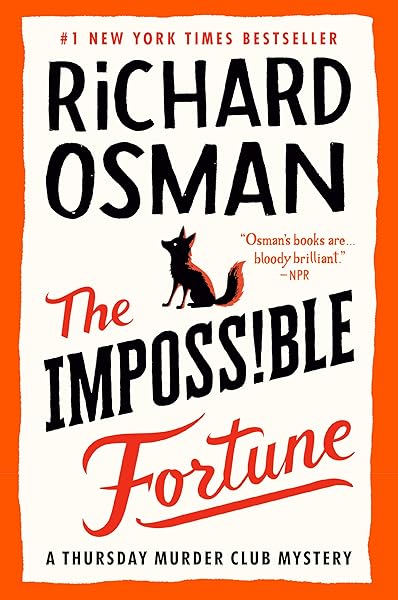
The Impossible Fortune: A Thursday Murder Club Mystery (Thursday Murder Club Mysteries Book 5)
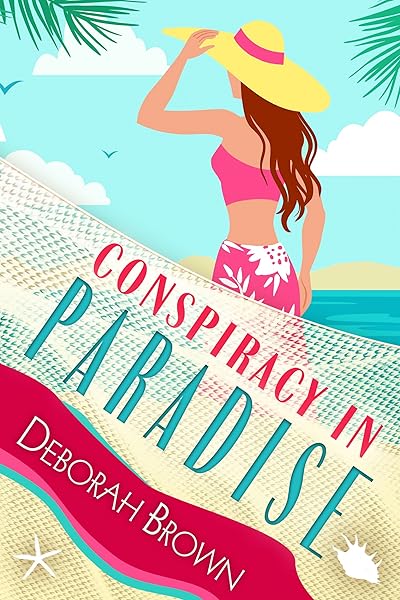
Conspiracy in Paradise (Florida Keys Mystery Series Book 36)

Galactic Green Thumbs: A Cozy, Low-Stakes, Slice-of-Life Sci-fi Adventure (No Stress Space Express Book 9)
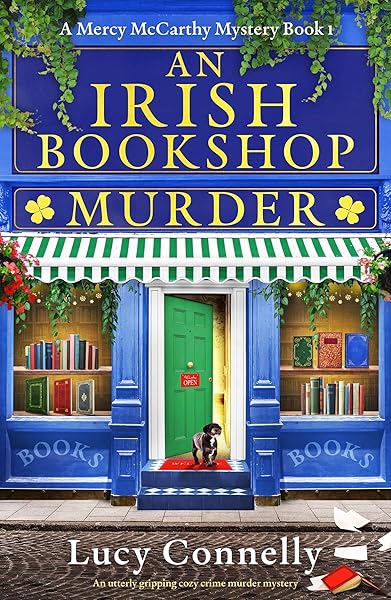
An Irish Bookshop Murder: An utterly gripping cozy crime murder mystery (A Mercy McCarthy Mystery Book 1)
Detective & Police Procedurals
The classic detective story and police procedural remain evergreen, comprising around 18% of the market. Readers appreciate the methodical investigation, the intricacies of police work, and the satisfaction of watching a skilled professional solve a complex case. Authenticity in research and strong, consistent character voices are key in this area.
Historical Mysteries
Historical mysteries are experiencing a resurgence, now making up about 10% of the market. The appeal lies in combining a compelling puzzle with immersion in a past era. Accuracy in historical detail and engaging world-building are critical for success. This subgenre often overlaps with historical fiction, offering rich opportunities for authors.
Dark Academia & Gothic Mysteries
Emerging trends include dark academia and gothic mysteries, particularly popular with younger adult readers. While smaller in market share (around 5% combined), these niches are growing rapidly, offering a blend of mystery, atmosphere, and often psychological depth. Authors exploring these areas should focus on creating a strong sense of place and foreboding.
Atmospheric Gothic Mysteries
The Dual-Language Storybook: Spanish and English Holiday Stories for Language Learning (Beginner to Intermediate) (Dual-language Storybooks Book 2)

Japanese Short Stories for Beginners: Learn with Tomoko Through 10 Fun Tales & Master Japanese Language and Culture the Natural Way (Learn Japanese with ... for Language and Culture Lovers Book 1)

A Hunger Artist
Key Trends Shaping the Mystery Market in 2026
Beyond subgenre popularity, several overarching trends are influencing the mystery book market 2026. Savvy indie authors will leverage these shifts to their advantage.
1. Hybrid Genre Blending: The lines between genres are increasingly blurring. We're seeing more mystery novels incorporating elements of romance (e.g., romantic suspense), fantasy (e.g., urban fantasy mysteries), and even sci-fi. This hybridization can attract a wider audience and offer fresh takes on established tropes.
2. Diverse Voices and Perspectives: Readers are actively seeking stories from diverse authors and featuring diverse characters. This includes protagonists from different cultural backgrounds, LGBTQ+ characters, and those with varied abilities. Authenticity and respectful representation are highly valued.
3. Short-Form and Episodic Content: While full-length novels remain dominant, there's a growing interest in shorter mystery formats, such as novellas, short story collections, and even episodic releases on platforms like Kindle Vella. These can serve as excellent entry points for new readers or provide quick, satisfying reads for existing fans.
4. Audio First Strategy: Audiobooks are no longer an afterthought. Many authors are now considering an 'audio first' strategy, recognizing the massive growth in this format. High-quality narration is crucial, and authors should explore options for professional production.
5. Interactive and Immersive Experiences: While still nascent, some authors are experimenting with interactive elements, AR experiences, or companion websites that deepen the mystery. This trend, though niche, indicates a desire for more engaging storytelling.
Actionable Strategies for Indie Authors in 2026
With a clear understanding of the market, how can indie authors position themselves for success in the mystery book market 2026? Here are concrete strategies:
1. Master Your Niche: Don't try to be all things to all readers. Identify a specific subgenre or blend of subgenres where your writing shines. Research top-performing titles in your niche, analyze their cover design, blurbs, and reader reviews. Understanding reader expectations within your niche is paramount.
2. Invest in Professional Production: In a competitive market, quality is non-negotiable. This includes professional editing (developmental, copyediting, proofreading), compelling cover design that signals your genre, and well-formatted interiors. For audiobooks, professional narration is a must. These investments directly impact perceived value and sales.
Examples of Professional Mystery Book Covers


Crafting Compelling Stories and Plots
At the heart of every successful mystery is a captivating story and a meticulously constructed plot. Readers of mystery fiction are discerning; they expect intellectual engagement and a satisfying unraveling of secrets. For indie authors, focusing on the core elements of mystery writing is more critical than ever.
1. The Hook: Your opening must grab the reader immediately. Introduce the crime, the central mystery, or a compelling character dilemma within the first few pages. Studies show that 30% of readers abandon a book in the first chapter if they're not hooked.
2. Pacing: Mystery novels thrive on tension. Master the art of pacing, alternating between moments of high suspense, character development, and plot progression. Avoid lulls that can cause readers to disengage. Learn more about effective plotting on our plot development resources.
3. Red Herrings and Clues: Skillfully weave in red herrings to mislead the reader while strategically planting genuine clues. The balance is delicate: too many red herrings can frustrate, too few make the solution obvious. Aim for 3-5 significant red herrings per novel.
4. Satisfying Resolution: While ambiguous endings have their place, particularly in psychological thrillers, most mystery readers crave a clear and satisfying resolution. Ensure all major plot threads are tied up, and the killer or solution is revealed in a logical, albeit surprising, manner.
Marketing and Discoverability in 2026
Even the best mystery novel won't sell if readers can't find it. Effective marketing is crucial for indie authors. The mystery book market 2026 demands a multi-faceted approach.
1. Optimized Book Metadata: This is your digital storefront. Ensure your title, subtitle, author name, and keywords are highly optimized for search engines and retail platforms. Use all available keyword slots on Amazon and other retailers. Regularly review and update your keywords based on performance data.
2. Engaging Book Blurbs: Your book blurb is a critical sales tool. It needs to hook the reader, clearly convey the genre, hint at the stakes, and leave them wanting more, without giving away key plot points. Test different blurbs to see which performs best.
3. Targeted Advertising: Platforms like Amazon Ads, Facebook Ads, and BookBub are indispensable. Learn how to target readers based on their interests, reading habits, and even which authors they follow. Start with small budgets and scale up successful campaigns. The average ACOS (Advertising Cost of Sales) for mystery novels on Amazon in 2025 was around 30-40%, but top performers achieved 15-20%.
4. Build an Author Platform: A strong author platform, including an email list and social media presence, allows you to connect directly with readers. Offer exclusive content, early access, and engage in conversations. An active email list can generate 20-30% of your launch sales for new releases.
5. Launch Strategies: Plan your book launch meticulously. This includes pre-orders, ARC (Advance Reader Copy) campaigns for reviews, and leveraging your email list and social media. A strong launch can significantly boost your book's visibility and algorithmic ranking.
Explore Market Data by Genre
Browse real Amazon data for 40+ genres — prices, KU rates, tropes, and trends.
Open Market AnalysisRelated Articles
Navigate the 2026 contemporary romance book market with data-driven insights. Discover reader trends, subgenre shifts, and actionable strategies for indie authors.
Data-driven analysis of 2,500+ bestselling book covers across 27 genres. Typography patterns, color palettes, image types, and what top sellers have in common.
Data-driven book pricing strategy by genre. We analyzed 2,500+ bestsellers to find the price sweet spots for romance, fantasy, thriller, and more.